
I'm currently enrolled in the Digital Design Graphics Technology (DDGT) Program at Napa Valley College to expand my creative toolkit and sharpen my skills.
Beyond concept art, I have practical ideas for city designs, civic projects, tools, and machines that I want to bring to life. This program is helping me put those ideas on paper and possibly even bring them to reality.
9-51 Caster Assembly
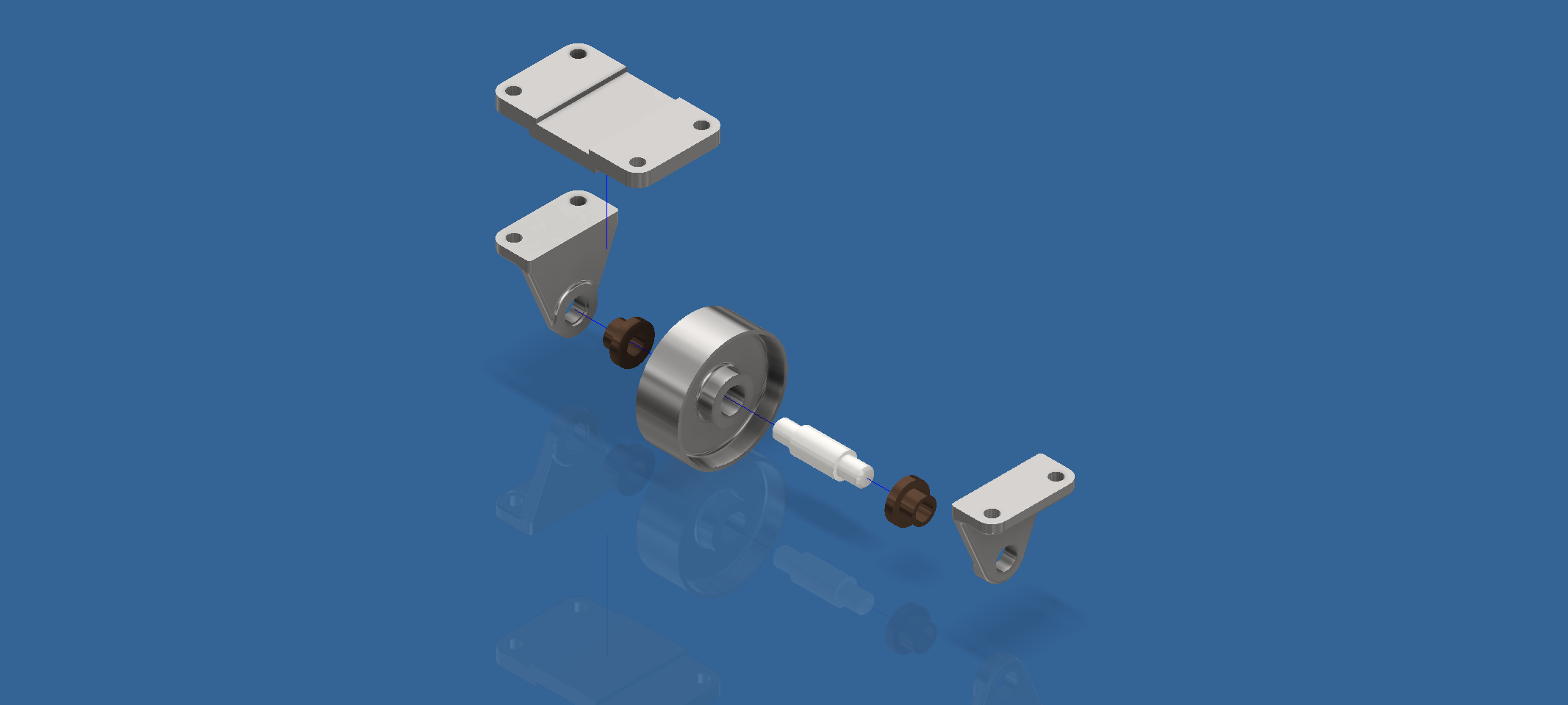
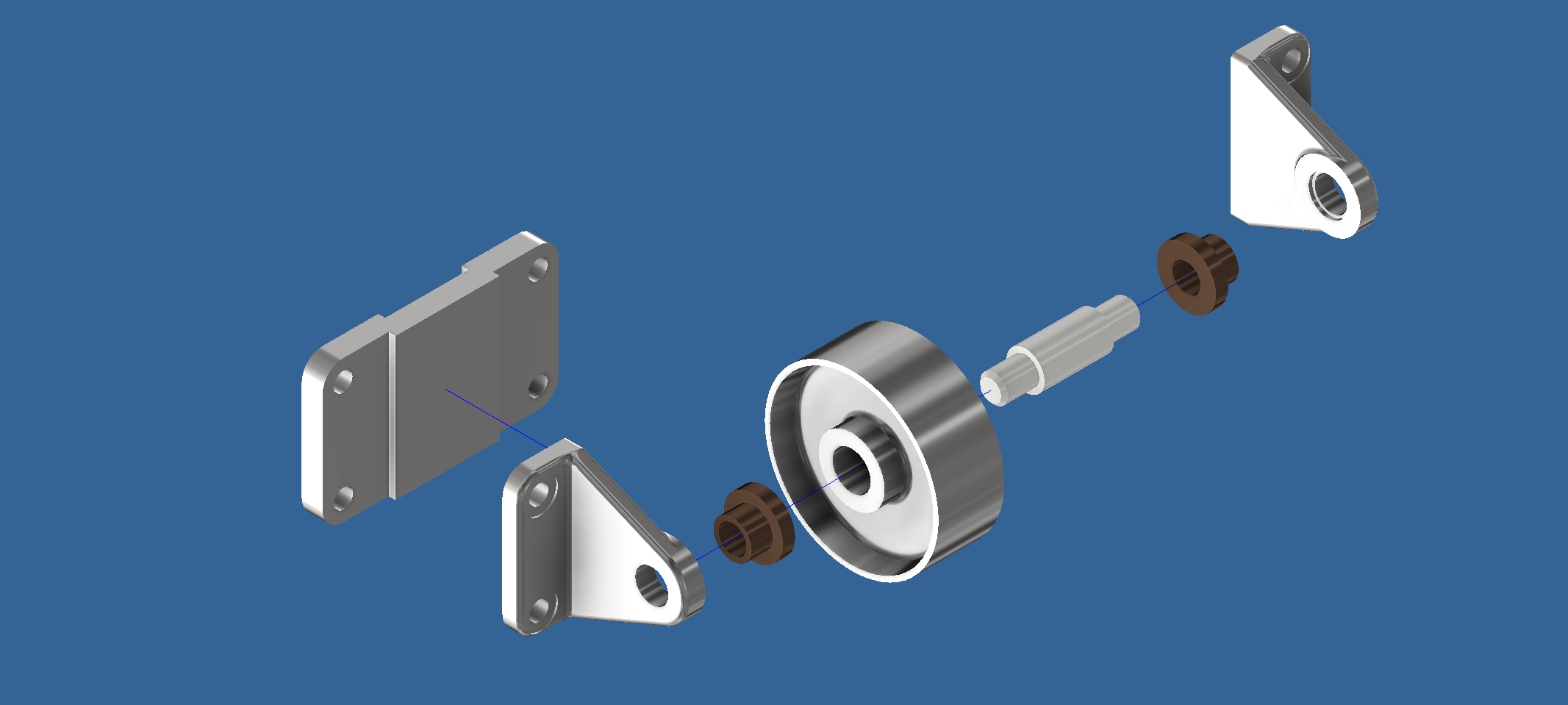
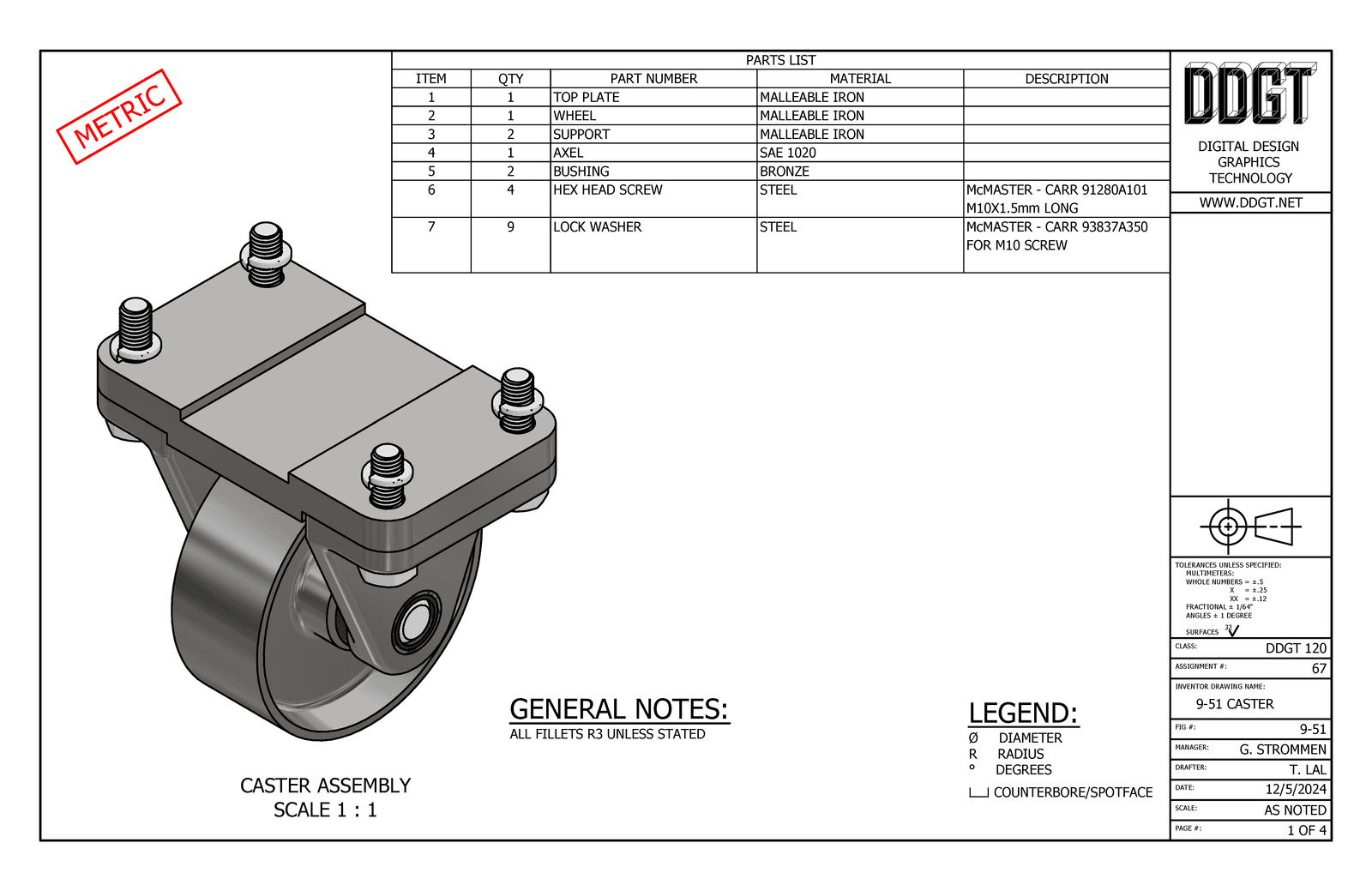
The 9-51 Castor Assembly was my first assembly project, and it gave me a solid introduction to design and presentation. Setting up the page and working on part orientation showed me how simple, well-organized views can make a design easier to understand.
It was a good reminder that clear visuals go a long way in communicating a project's function and intent.


SHEET SET
14-35 Drill Press Bracket
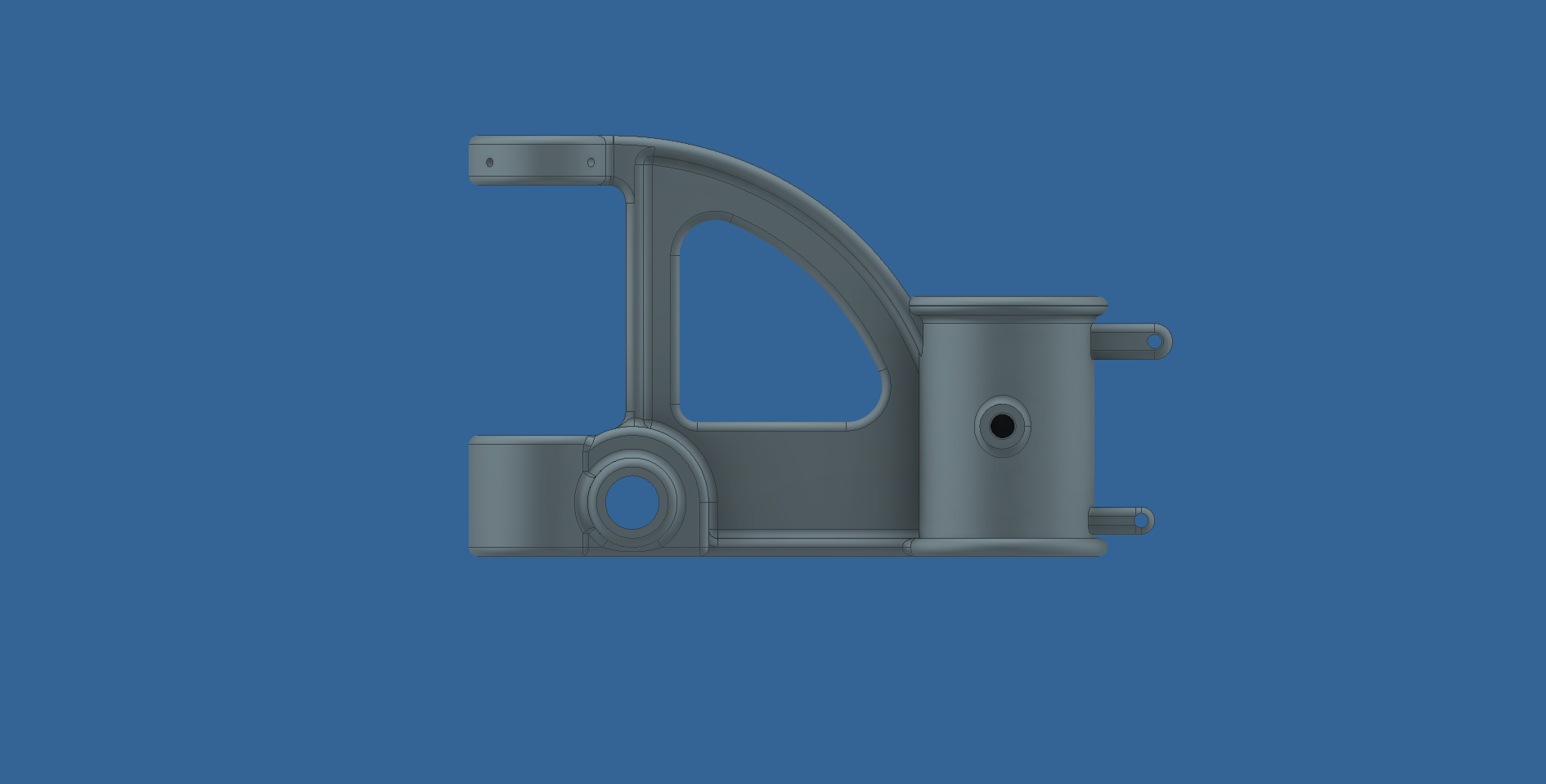
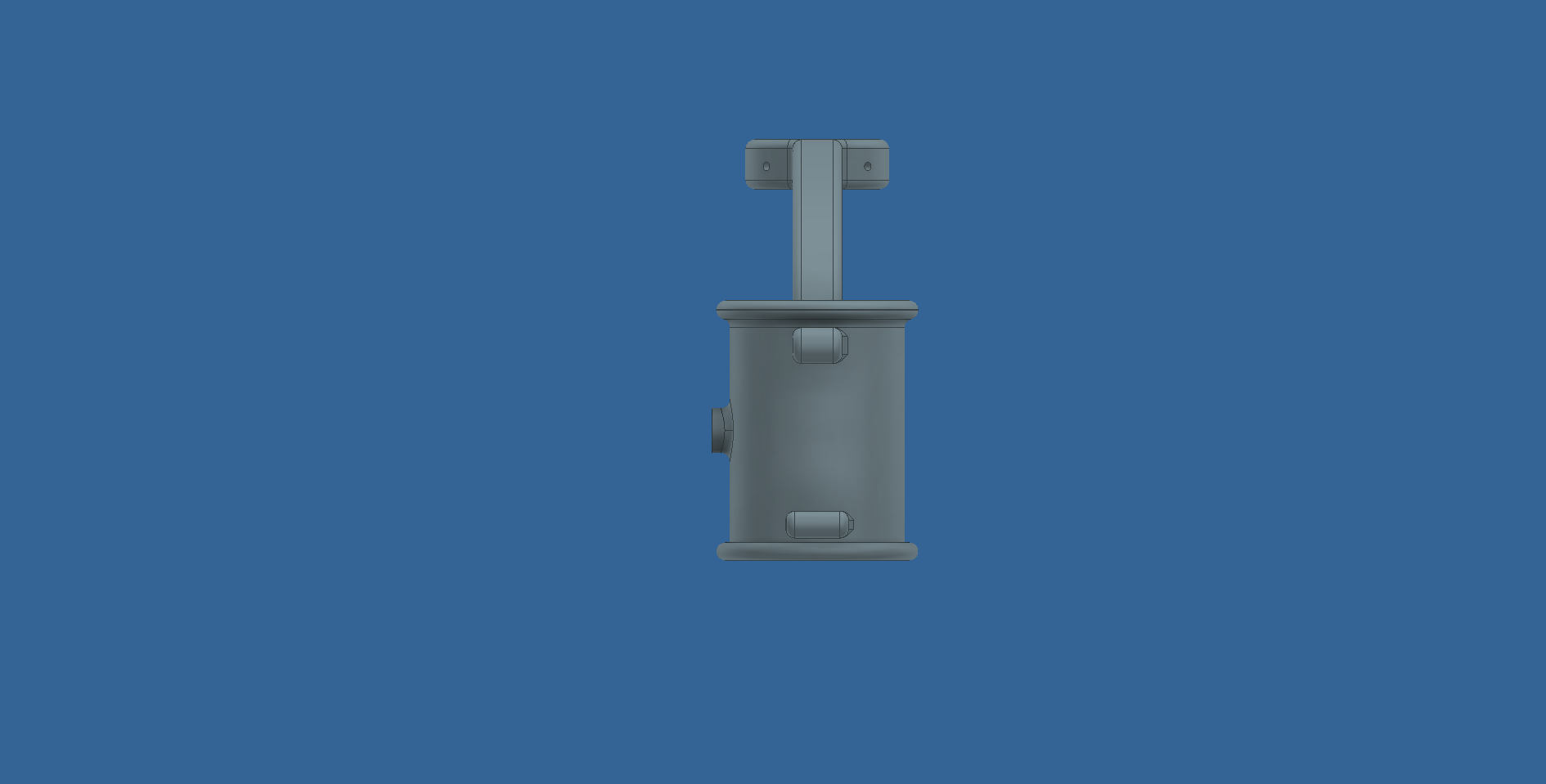
The Drill Press Bracket was a fun assignment. I really enjoyed sketching this one out and learning how to create the extruded arc joining the cylindrical elements.
A fun challenge was getting all of the fillets in a single selection.




SHEET SET
23-54 Motor Support
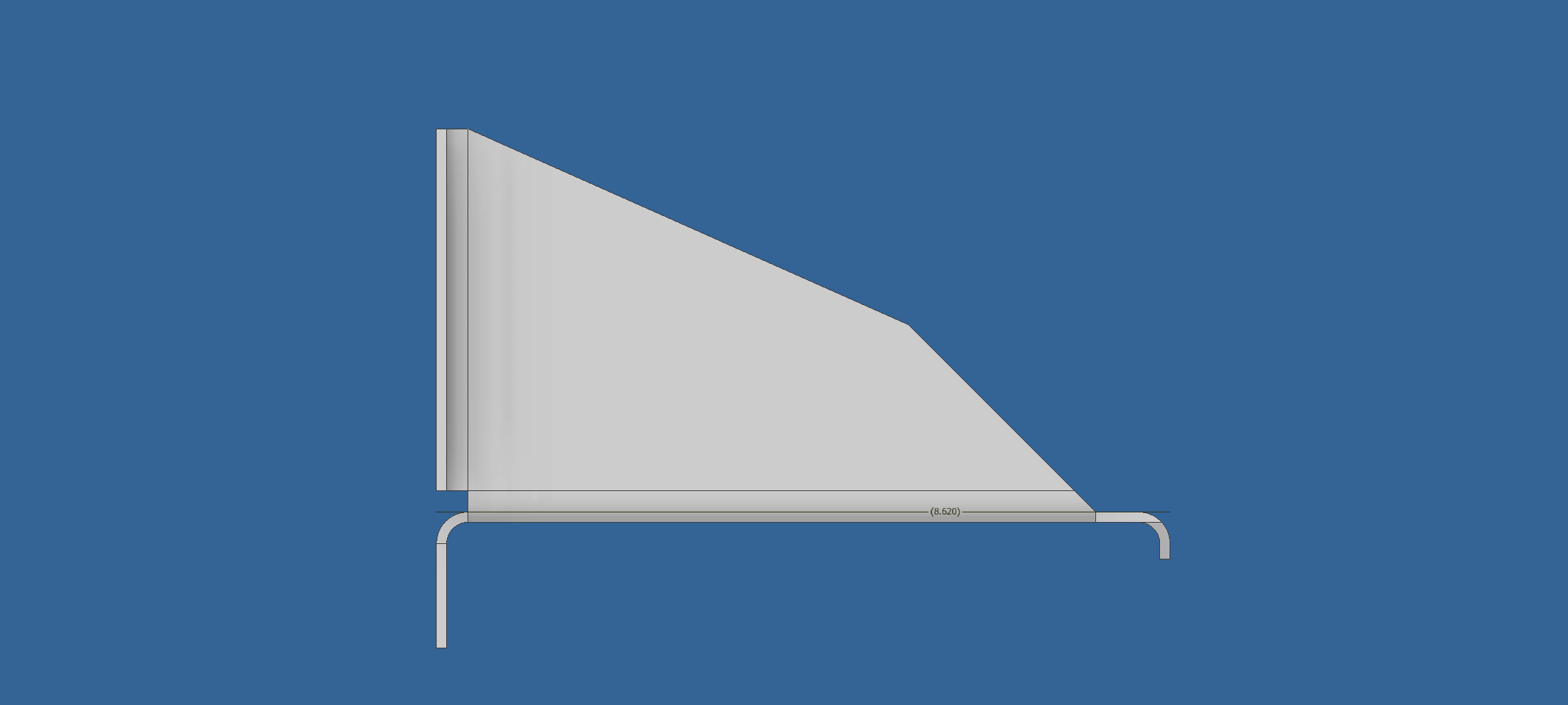
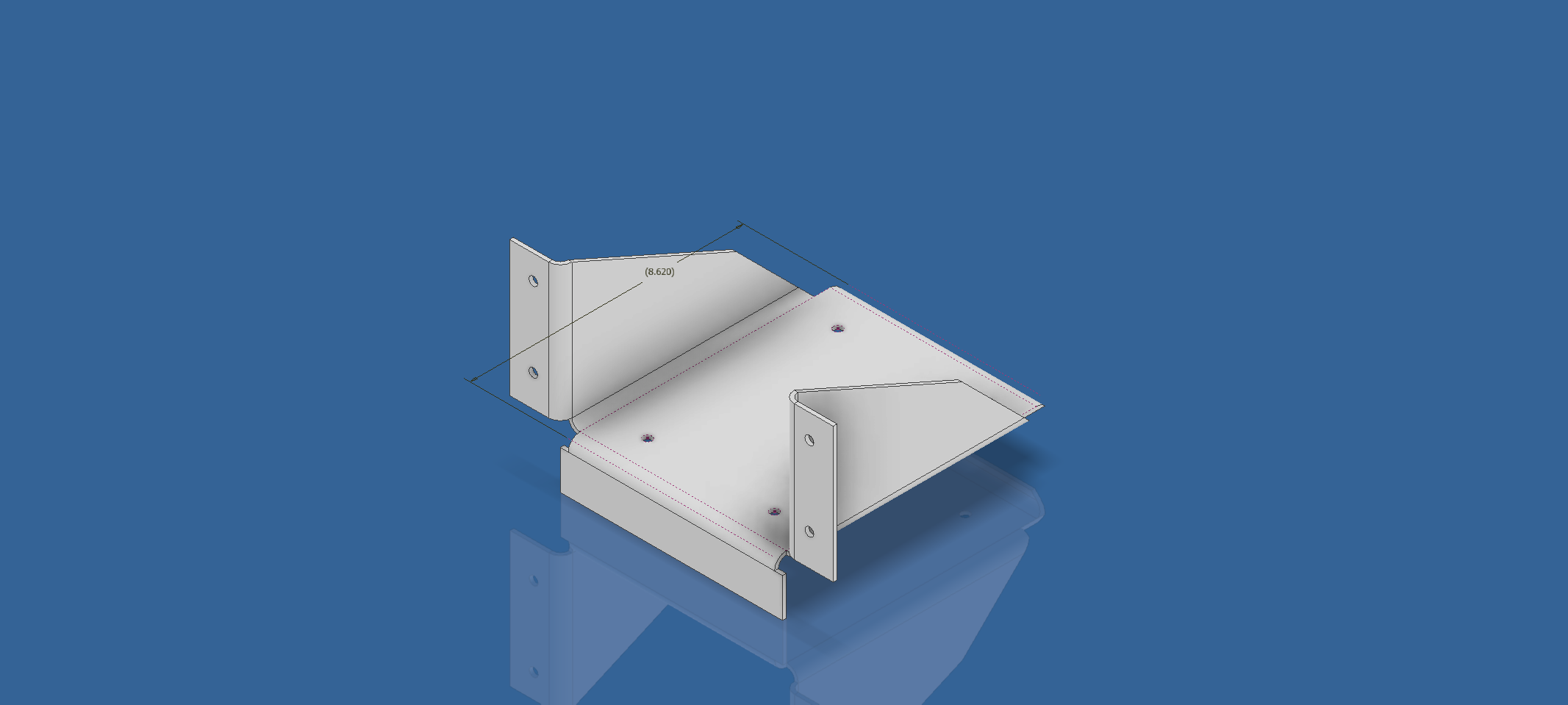
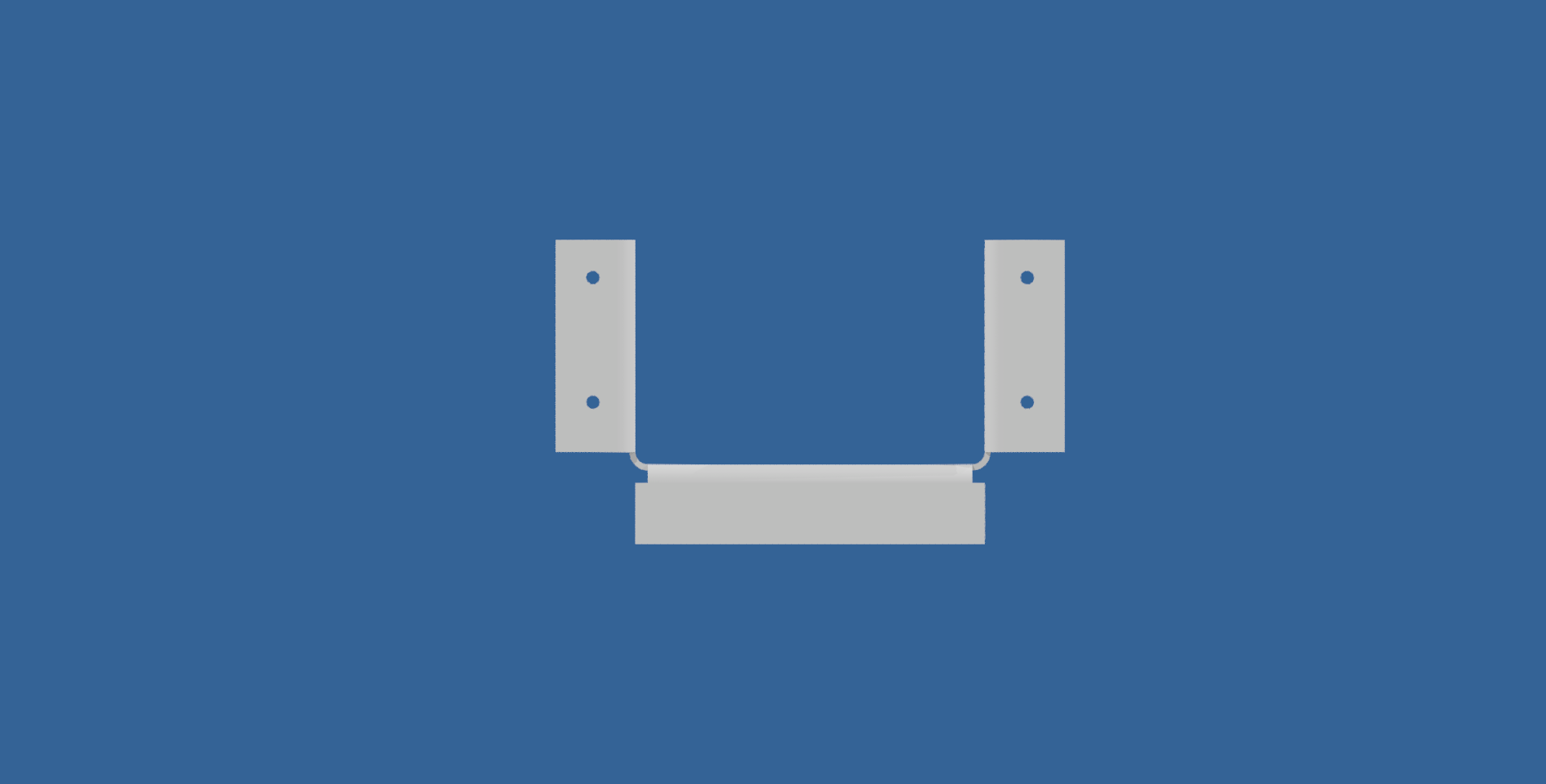
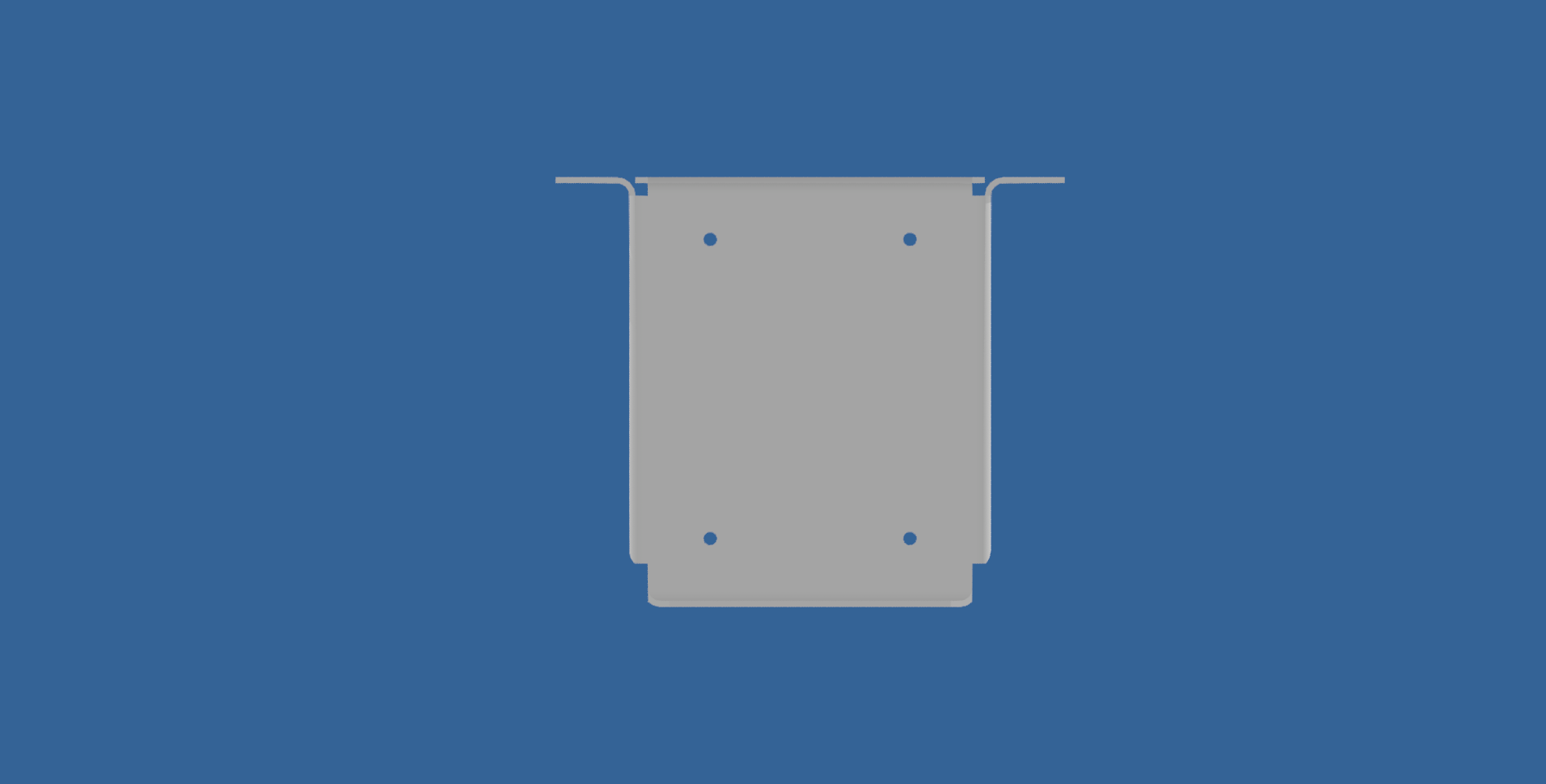
The 23-54 Motor Support was an interesting project.
Learning to use Inventor's sheet metal features has been helpful and opens doors for potential fabrication projects - especially when integrating CNC machining. With the ability to generate precise flat patterns ready for direct CNC cutting and to manage complex bends and flanges accurately, I can design custom brackets, enclosures, and intricate assemblies with enhanced efficiency and reduced material waste.
This streamlined process not only optimizes production but also significantly improves accuracy and reduces setup times for a wide range of fabrication challenges.


SHEET SET

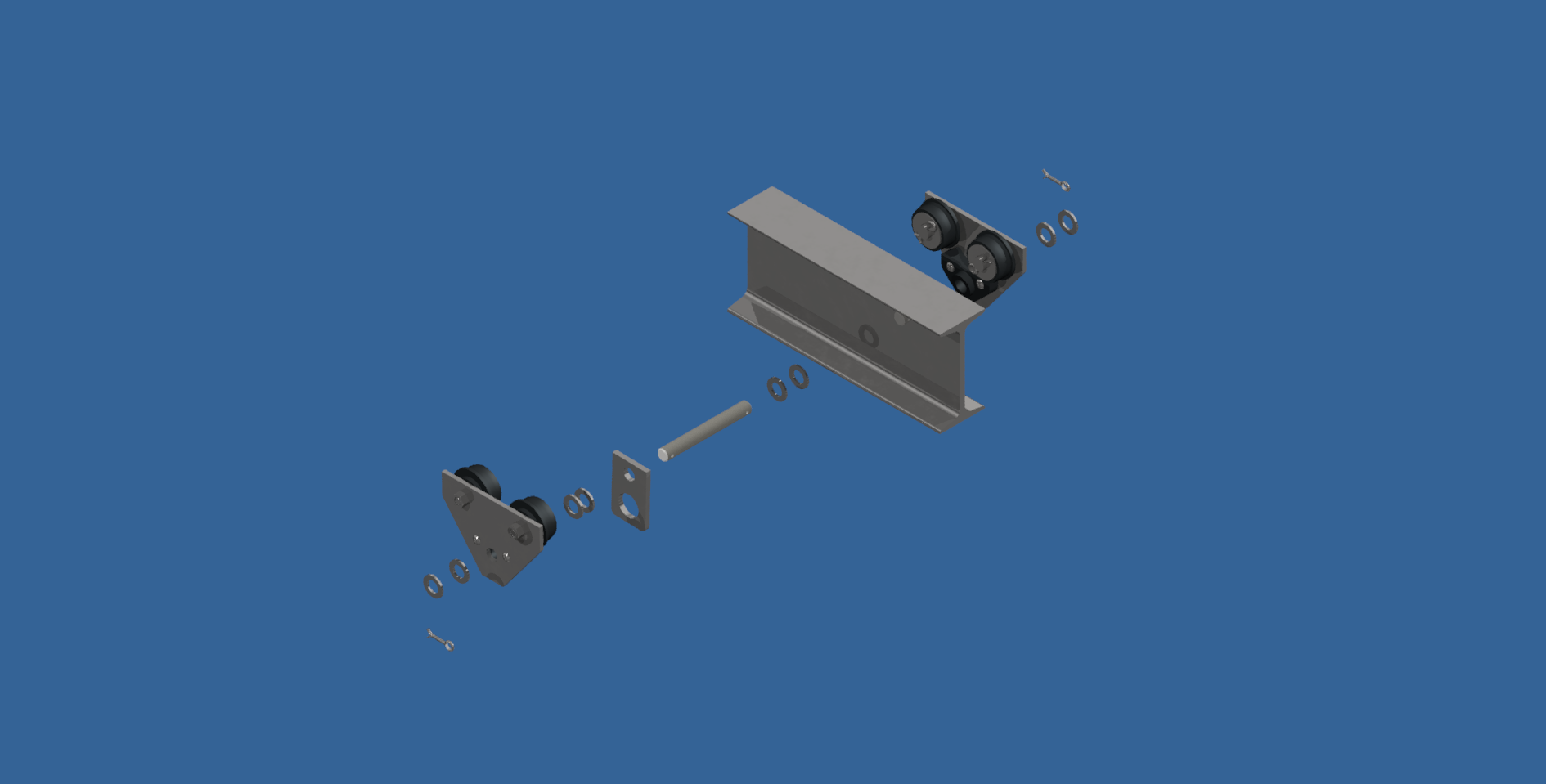
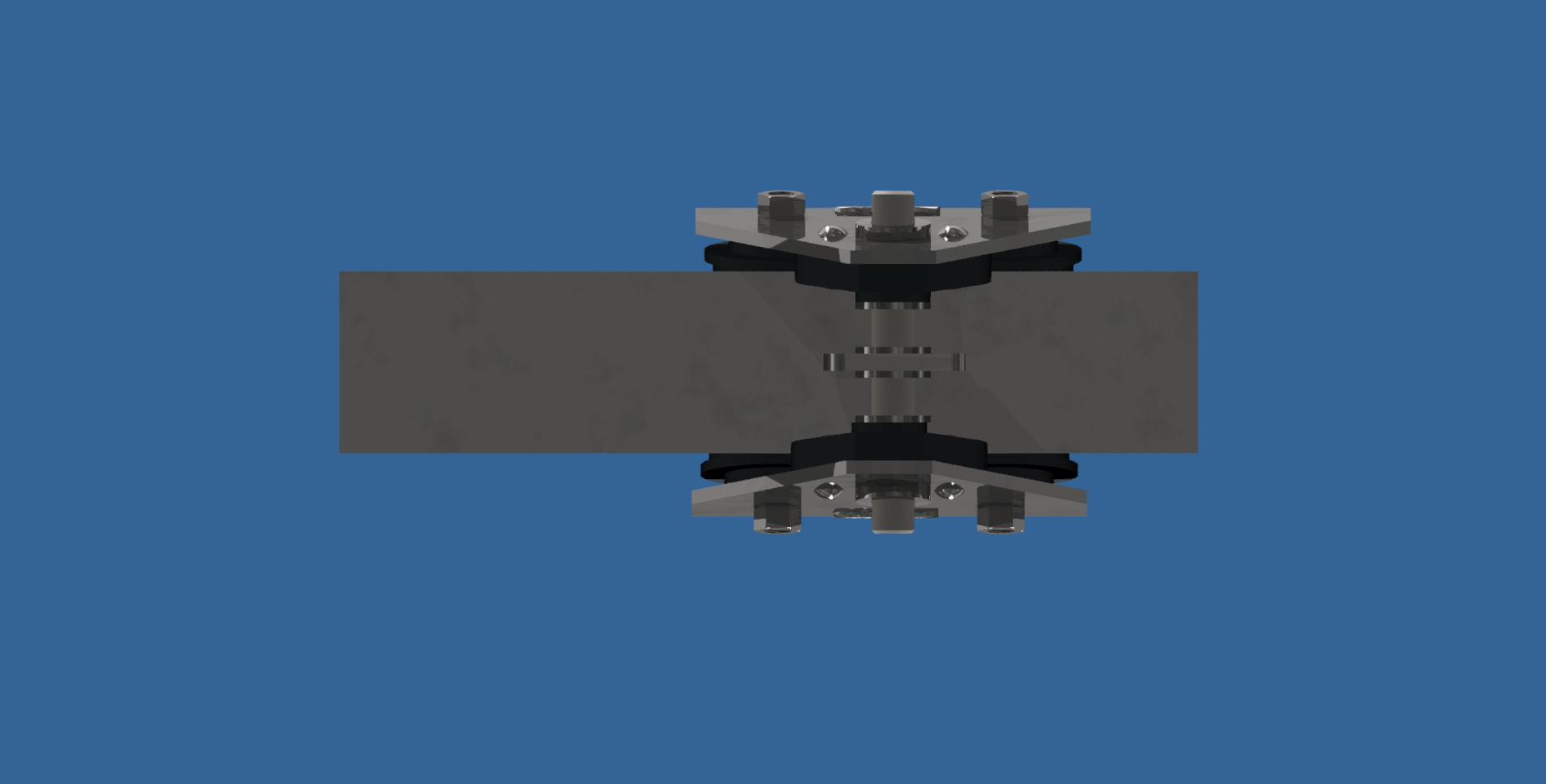
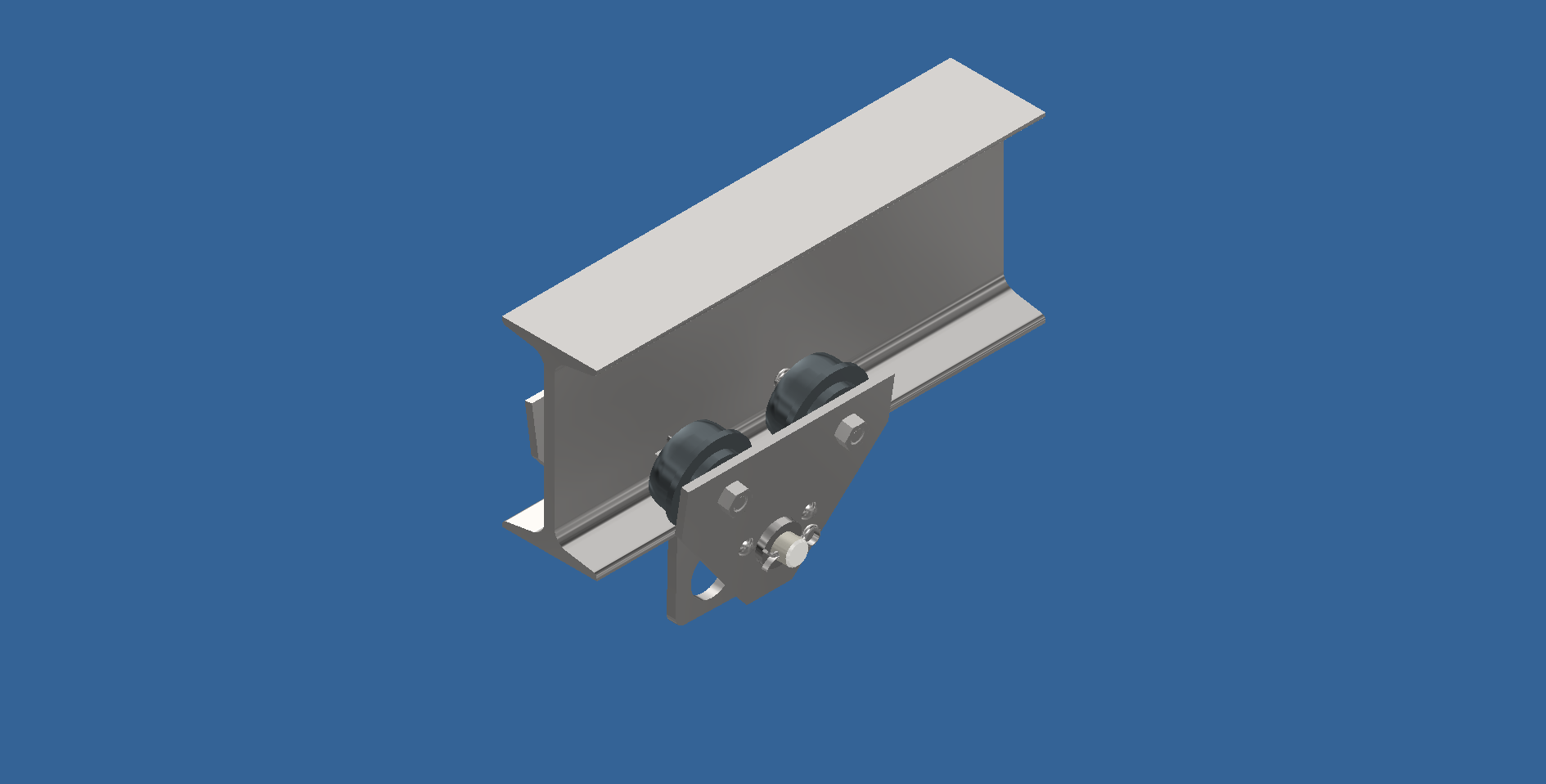
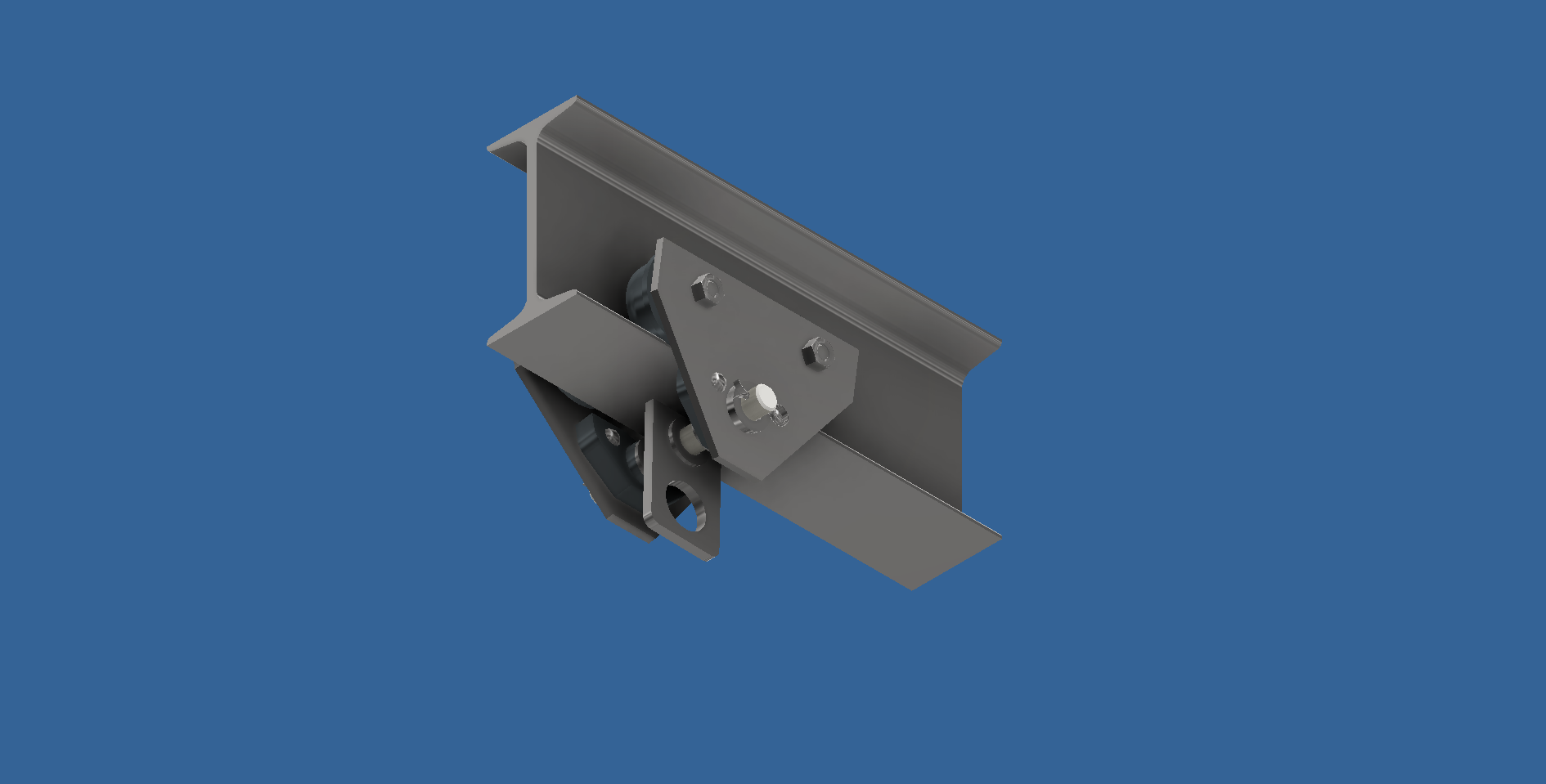
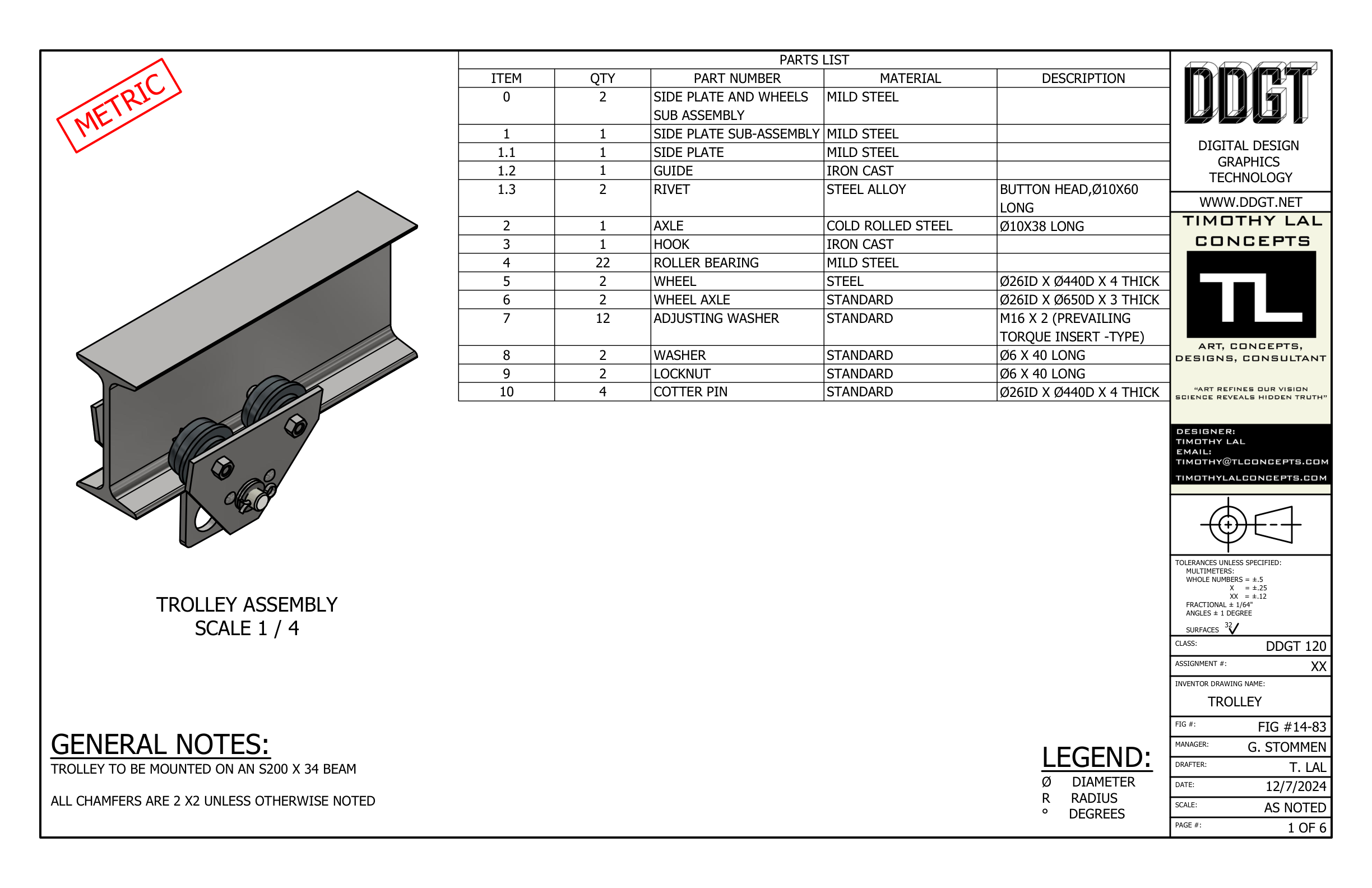
14-84 Trolley
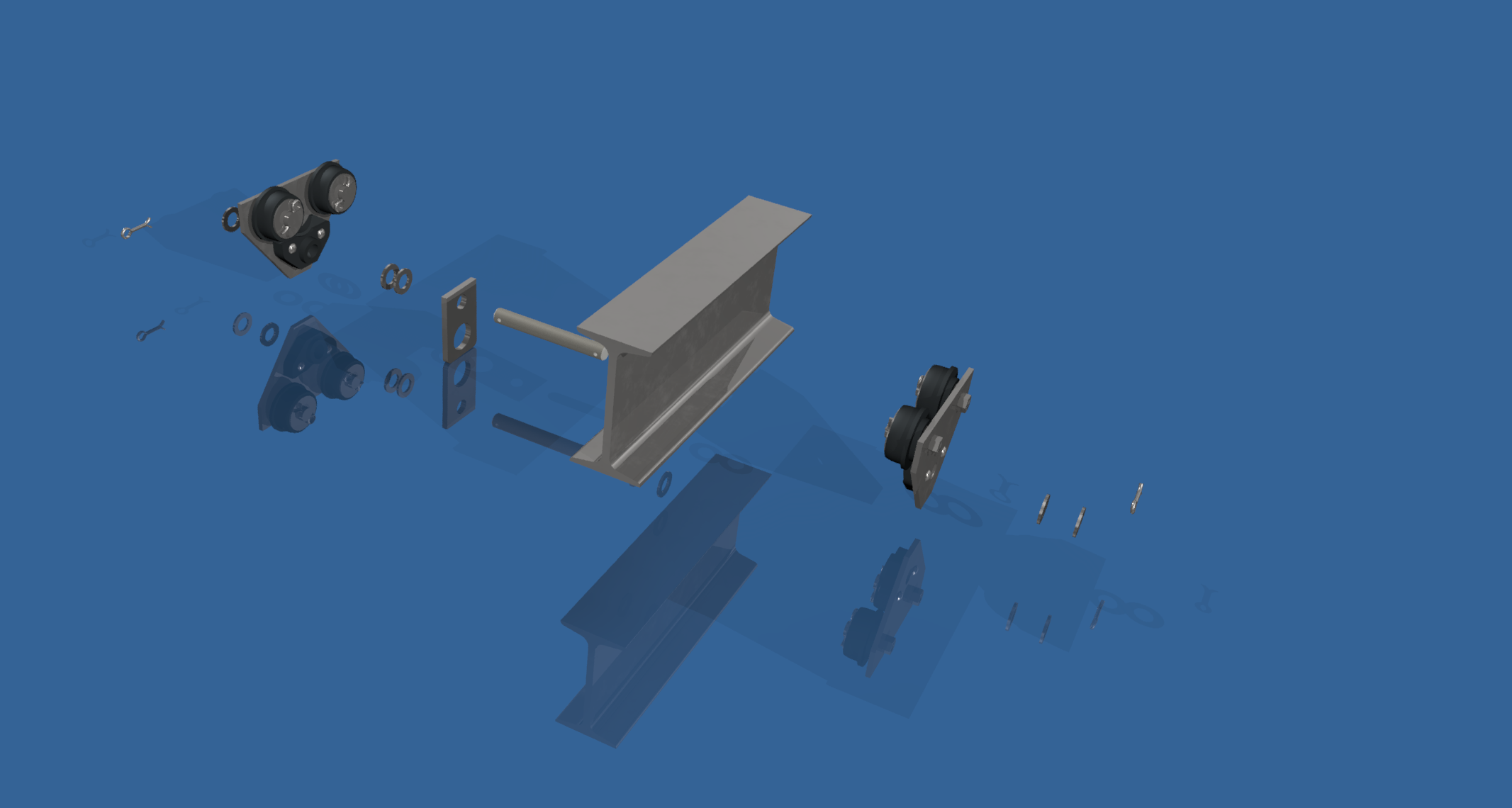
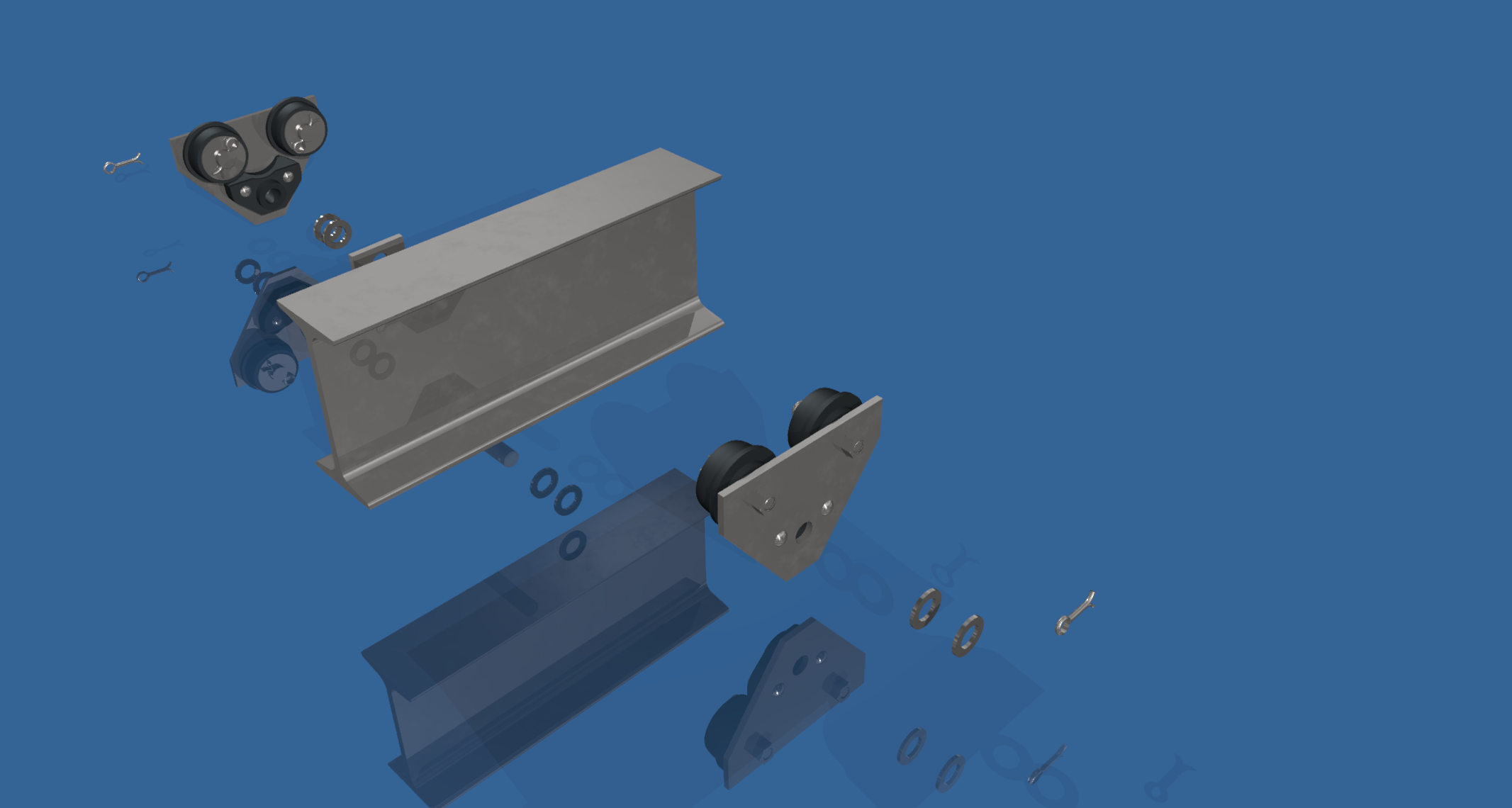
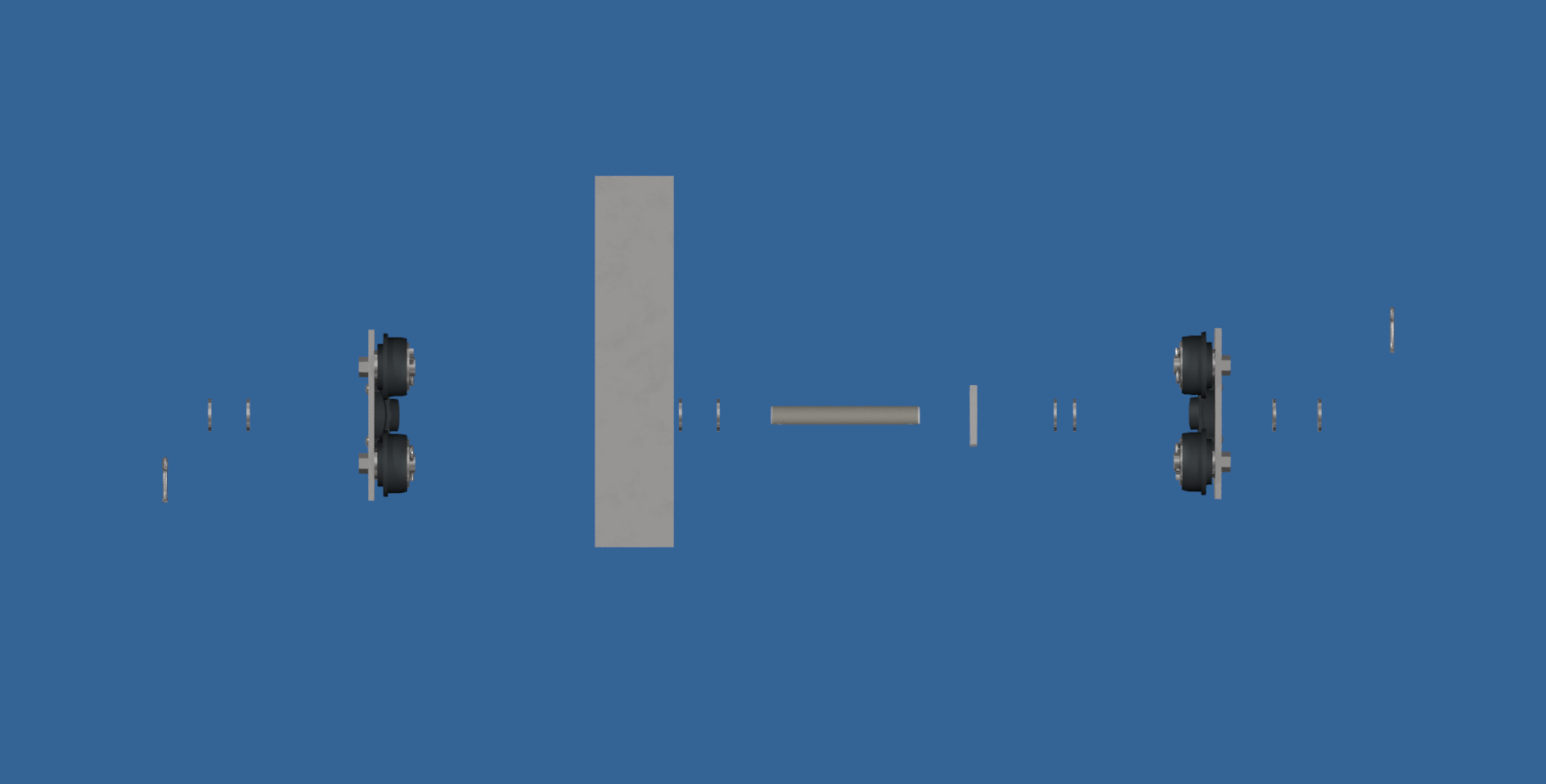
Working on the 14-84 Trolley assembly project in Inventor was an incredibly valuable experience.
This was a great project that taught me the fundamentals of assembling parts, and exploded assemblies. I gained a clear understanding of component constraints and alignment. What I learned will help me with more advanced projects in the future!

SHEET SET
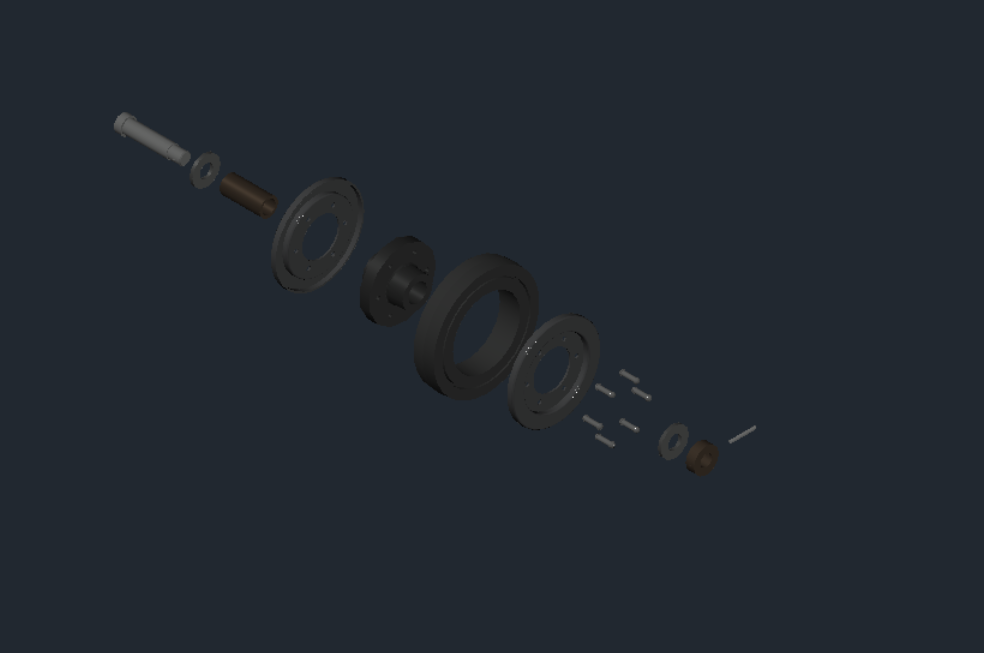
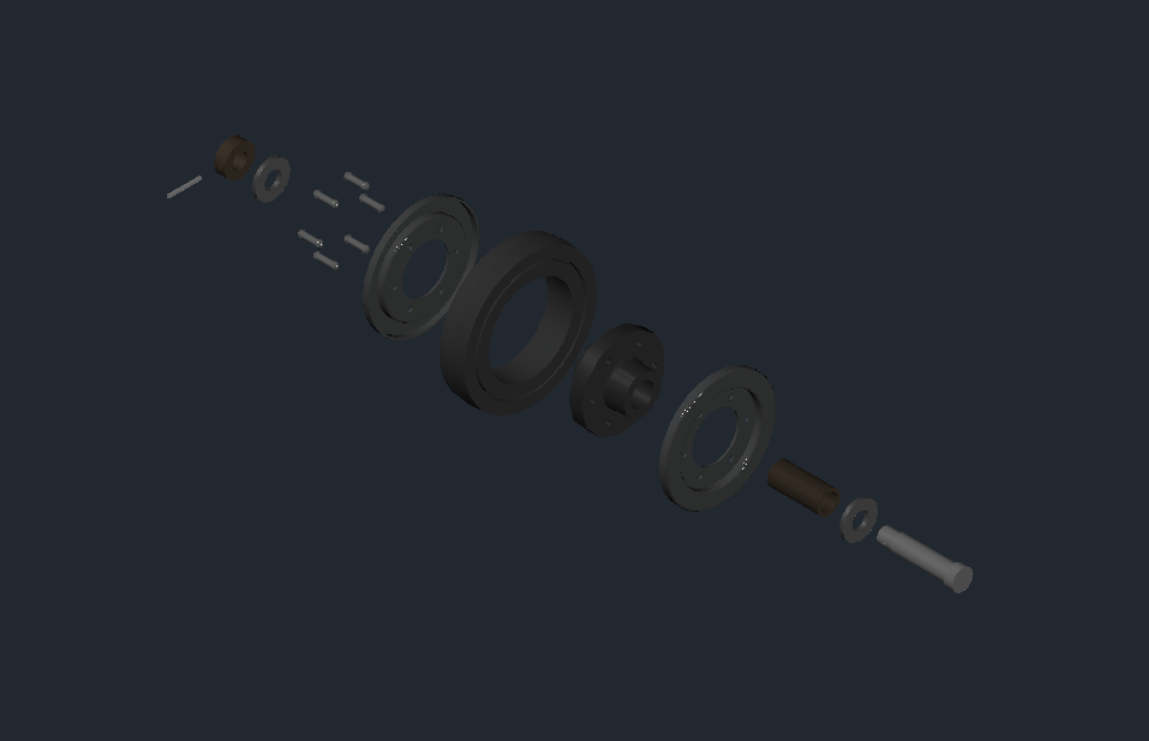
11-55 Wheel Assembly (AutoCAD)
The AutoCAD version of the 11-55 Wheel Assembly, drafted using traditional 2D CAD techniques. Sheet set includes all standard orthographic and detail views per ANSI B sheet format.


SHEET SET

Wheel Assembly (AutoCAD) REV
Revised AutoCAD sheet set. Updated geometry and views per ANSI C sheet format.
SHEET SET

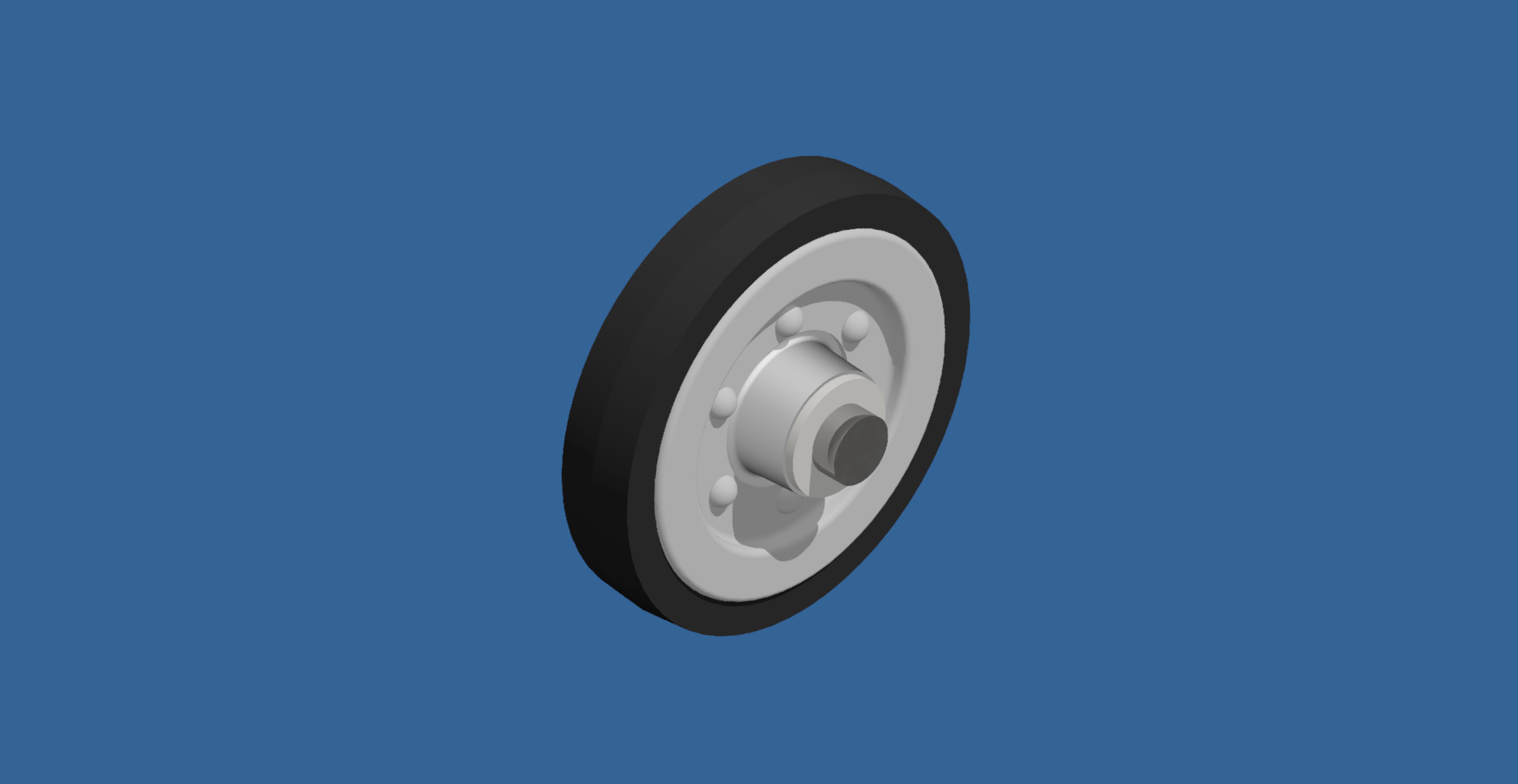
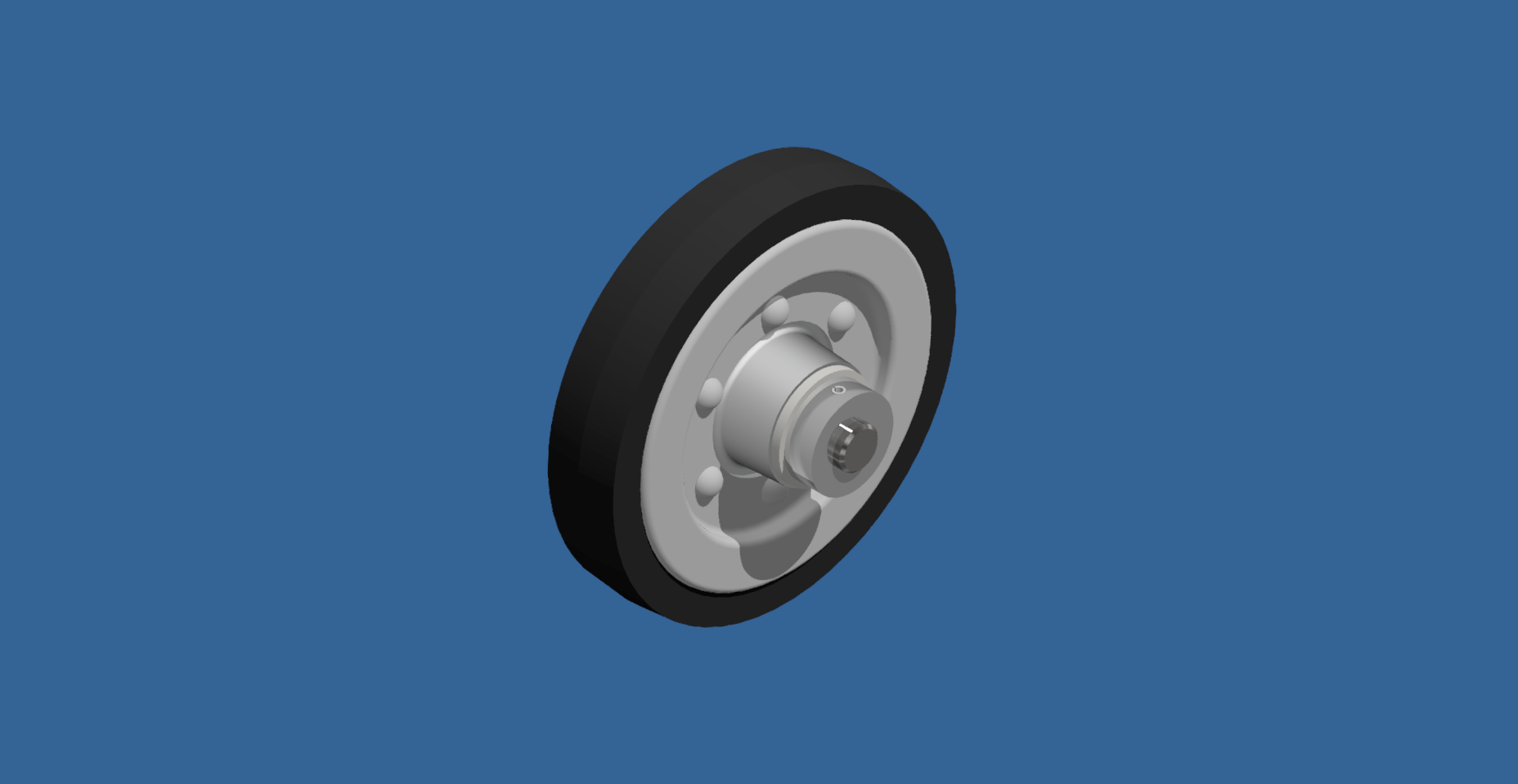
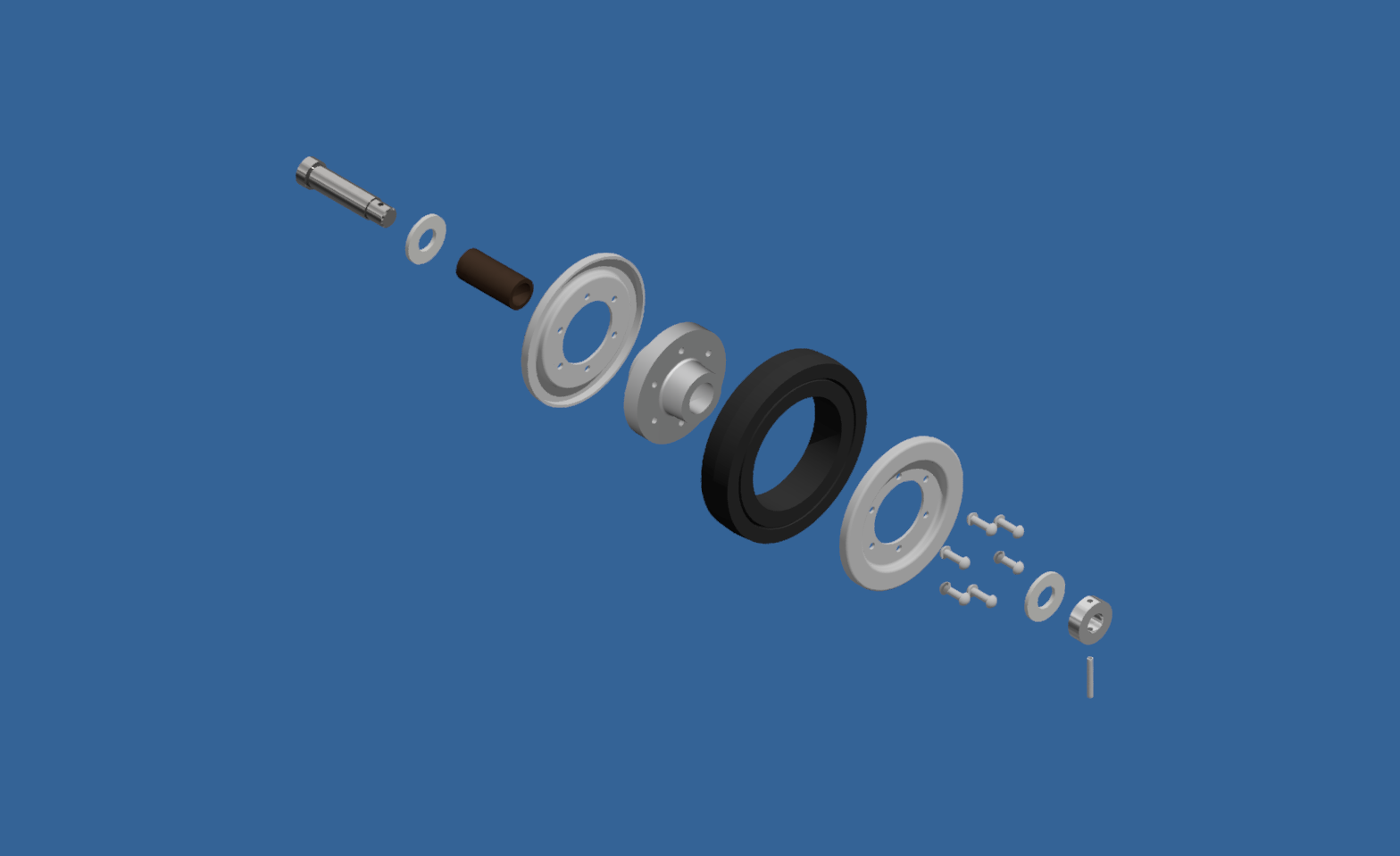
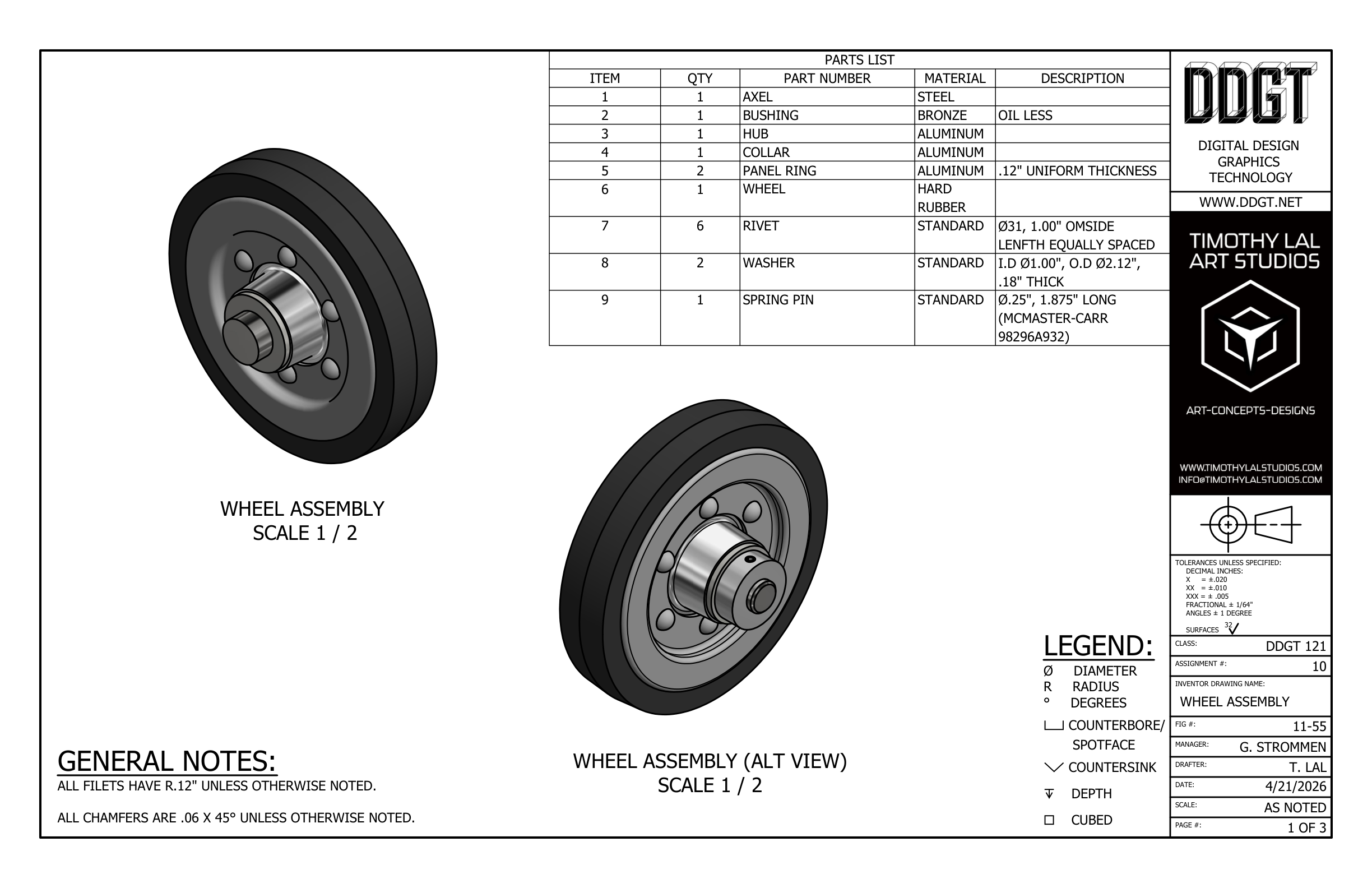
11-55 Wheel Assembly (Inventor)
The wheel assembly took seven days, and every step brought a new challenge. Hours spent digging through FAQs, forums, and AI answers left me convinced I had forgotten how to use AutoCAD and Inventor. It turned out software updates were causing issues for others too. Falling behind was frustrating, but it forced me to learn how to read technical drawings and translate them into real geometry, and even sketch my own in a way someone else could build from. I have already applied this in a few side projects and expect to keep building on it.


SHEET SET

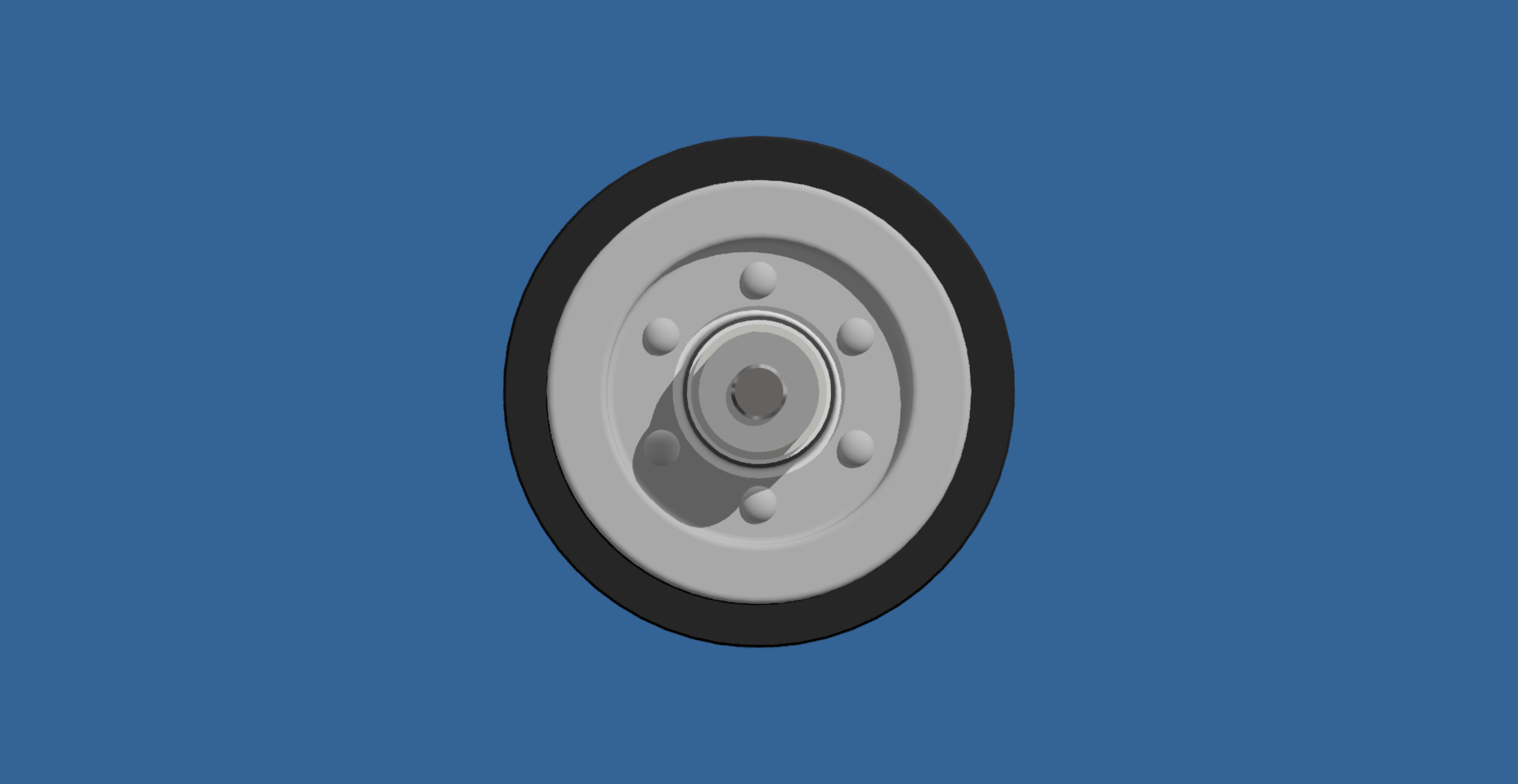
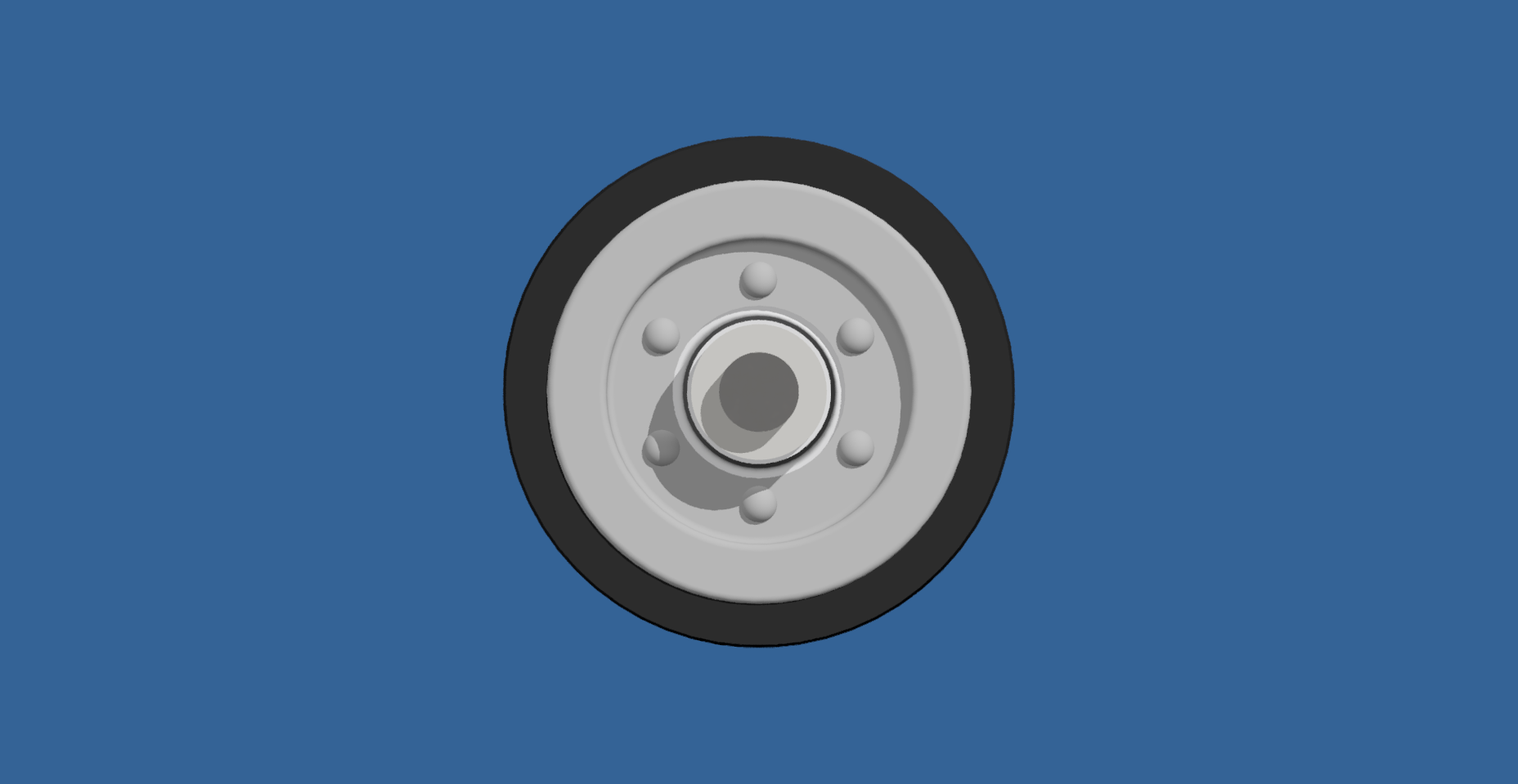
Wheel Assembly (Inventor) — REV 1
The revision addressed issues discovered during the original build. Additional views and updated geometry reflect corrections made after close review of the technical drawings.




SHEET SET
Concepts
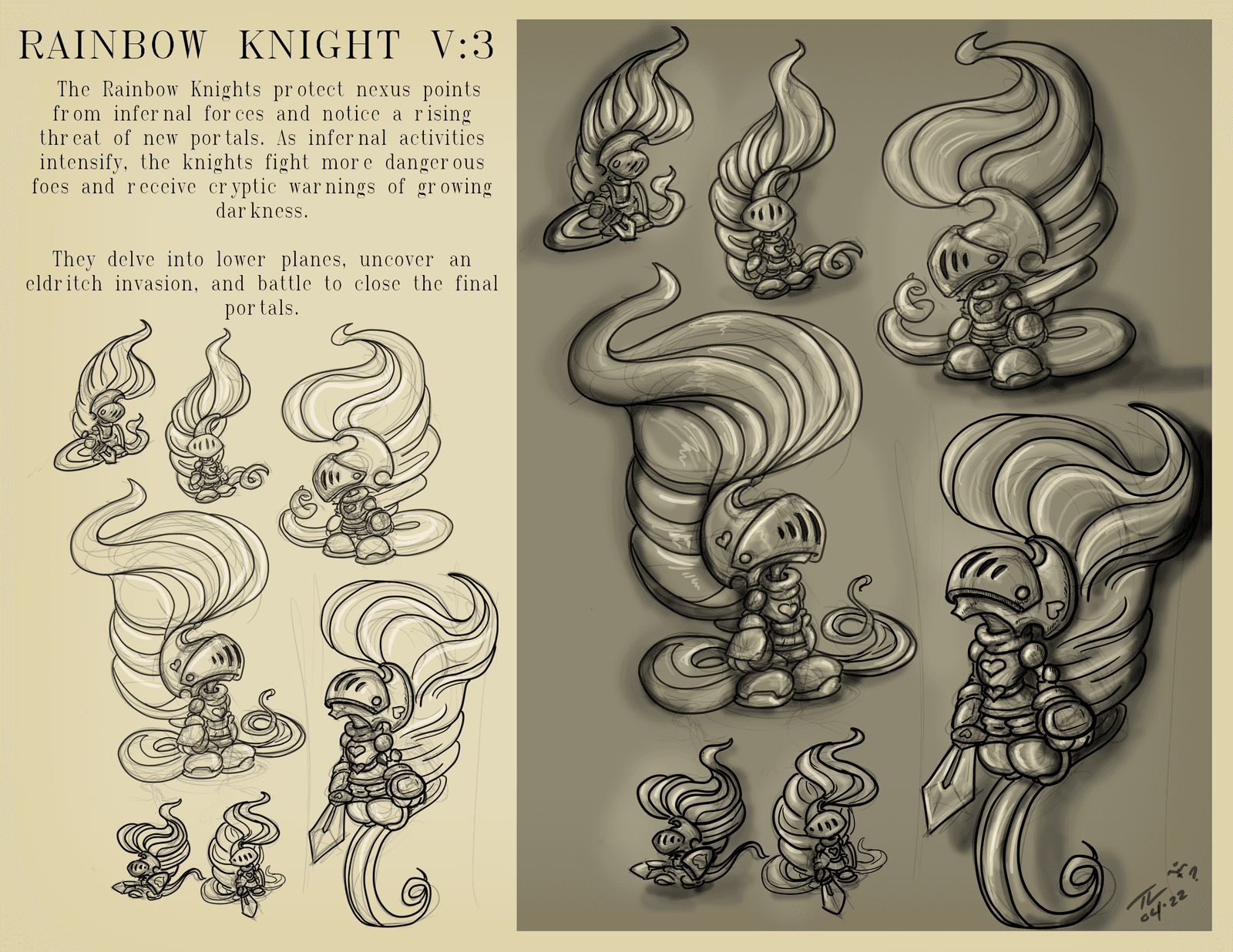
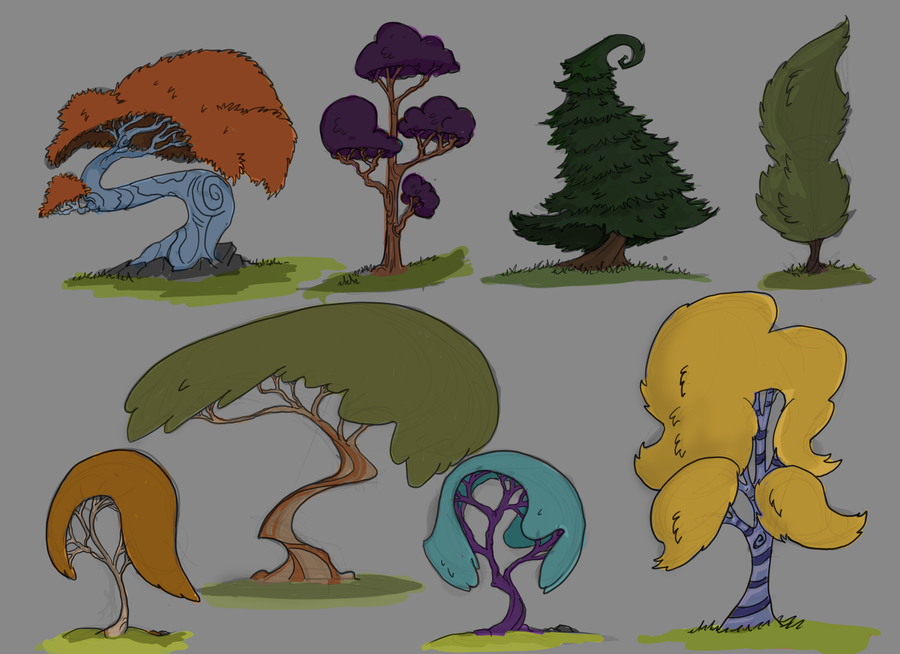
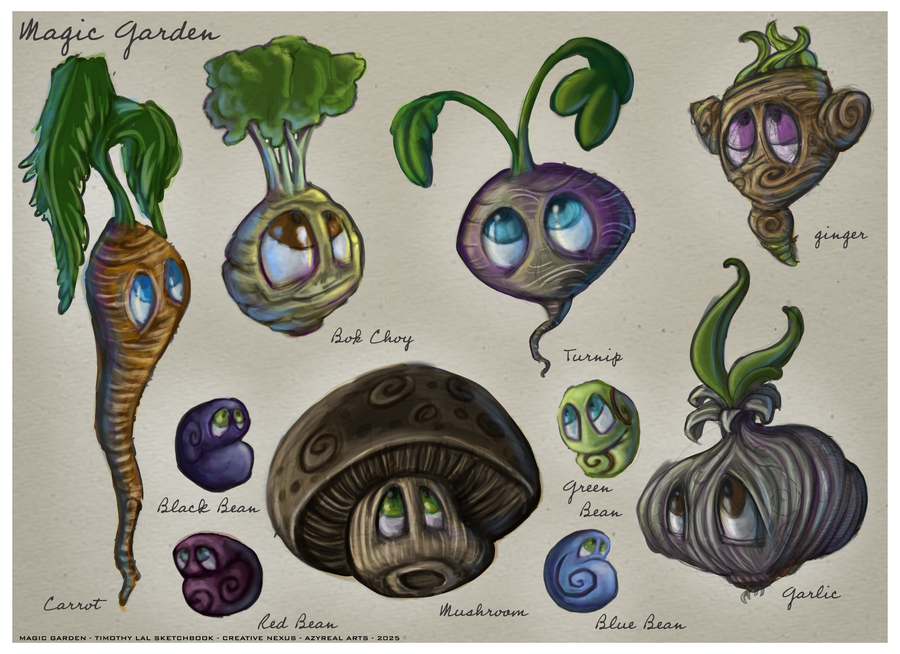
During the course, learning new Photoshop techniques that inspired me to experiment with some of the new tools I have learned such as vector tools for my concept art.





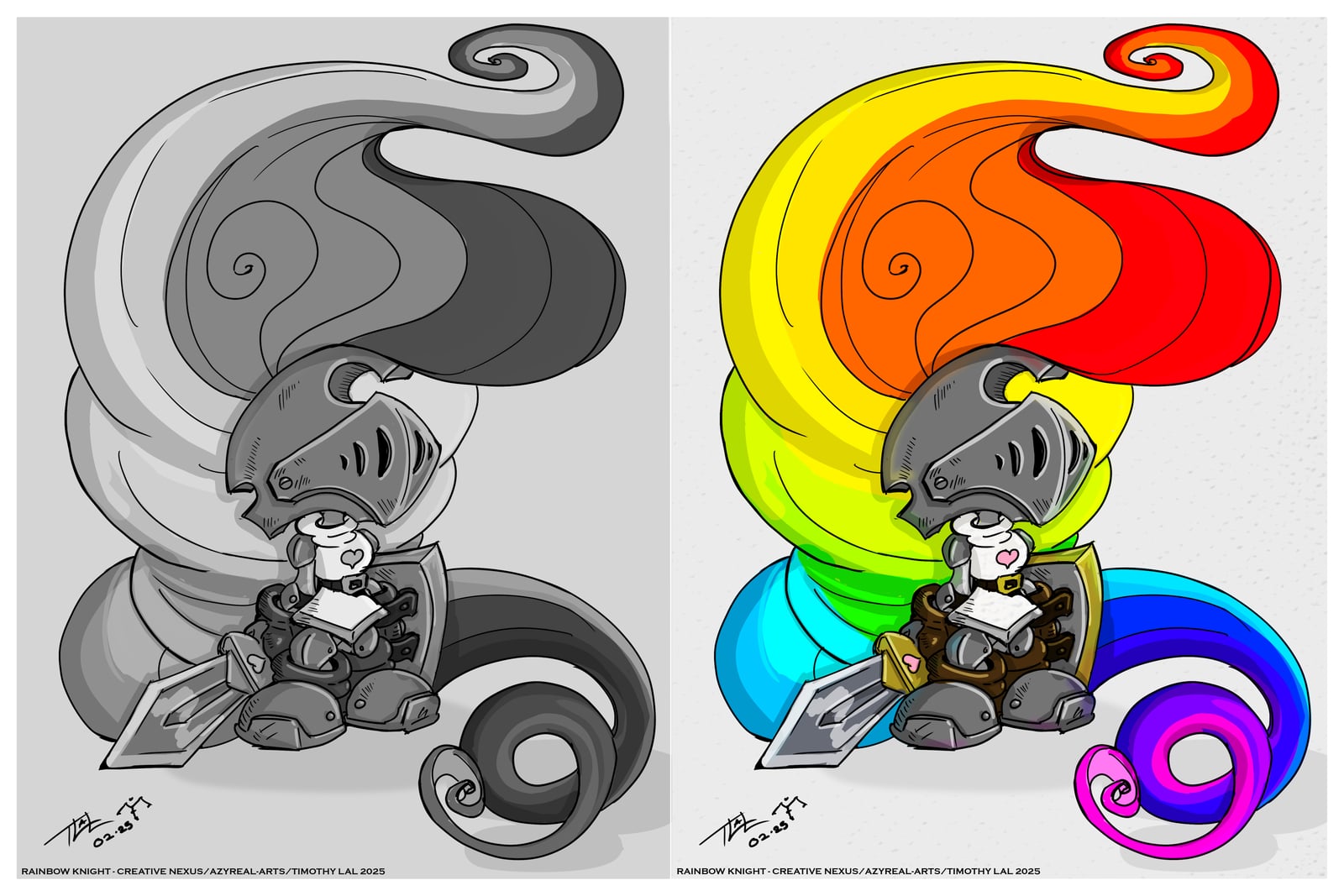

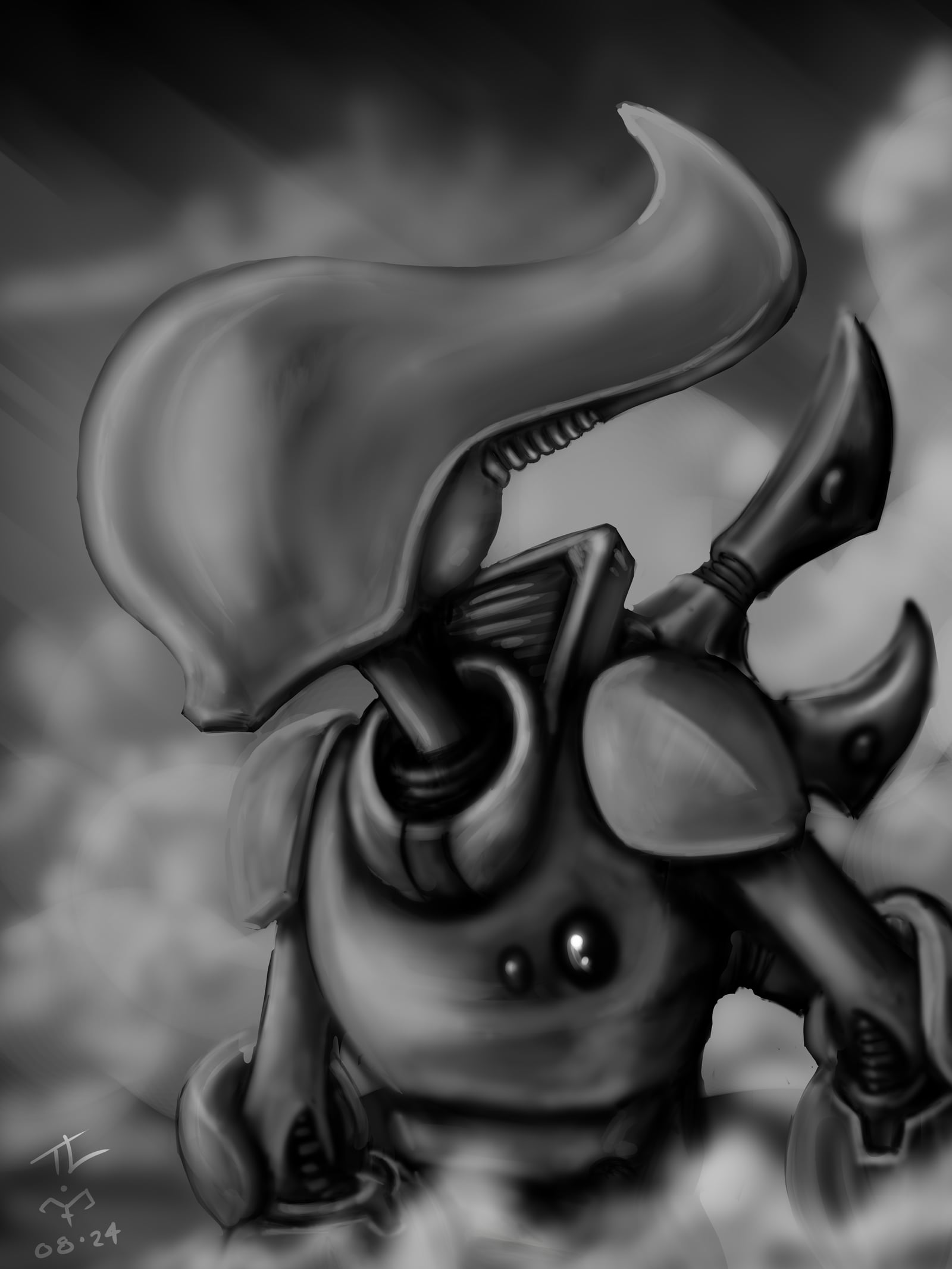


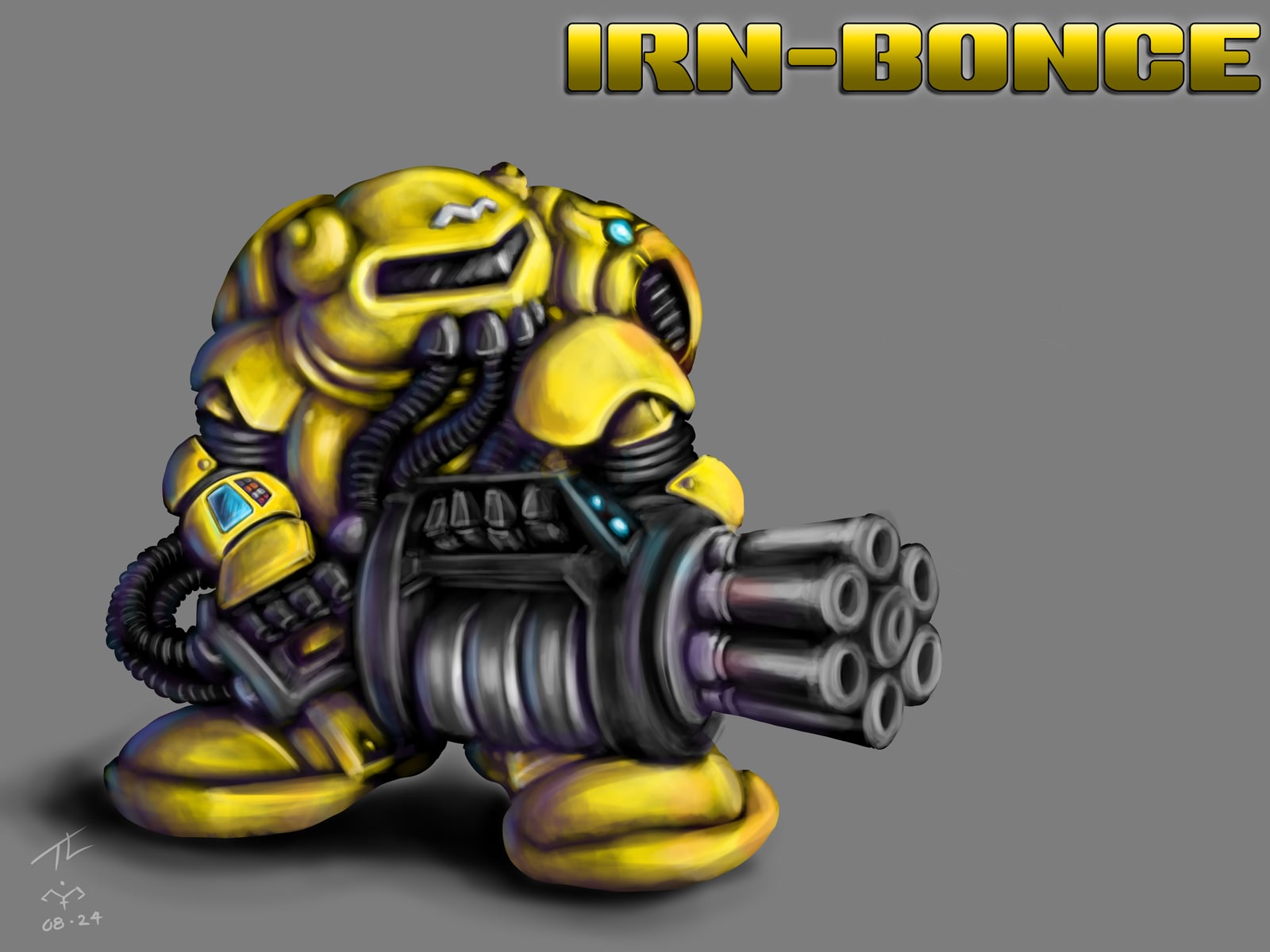

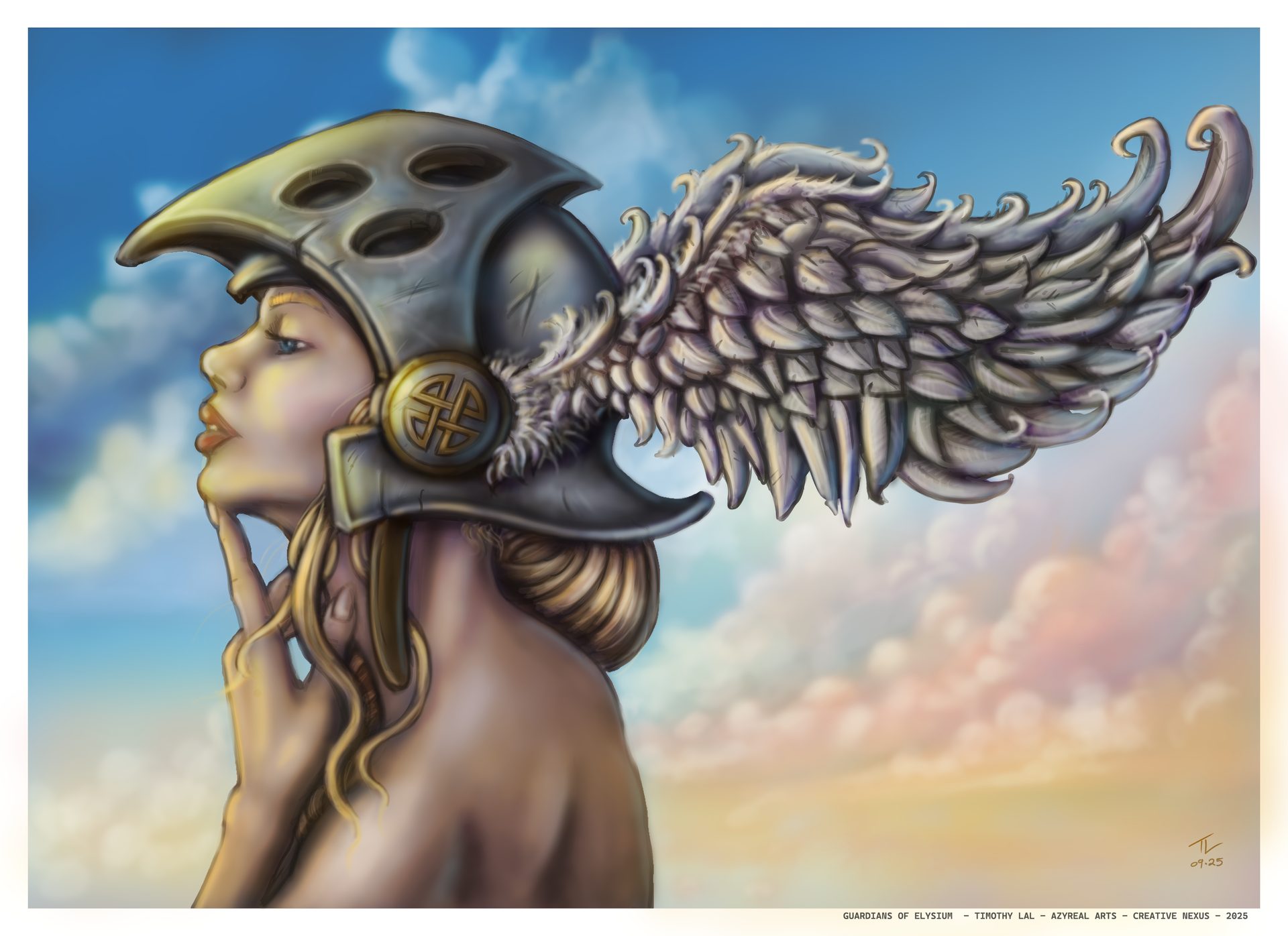



Logo
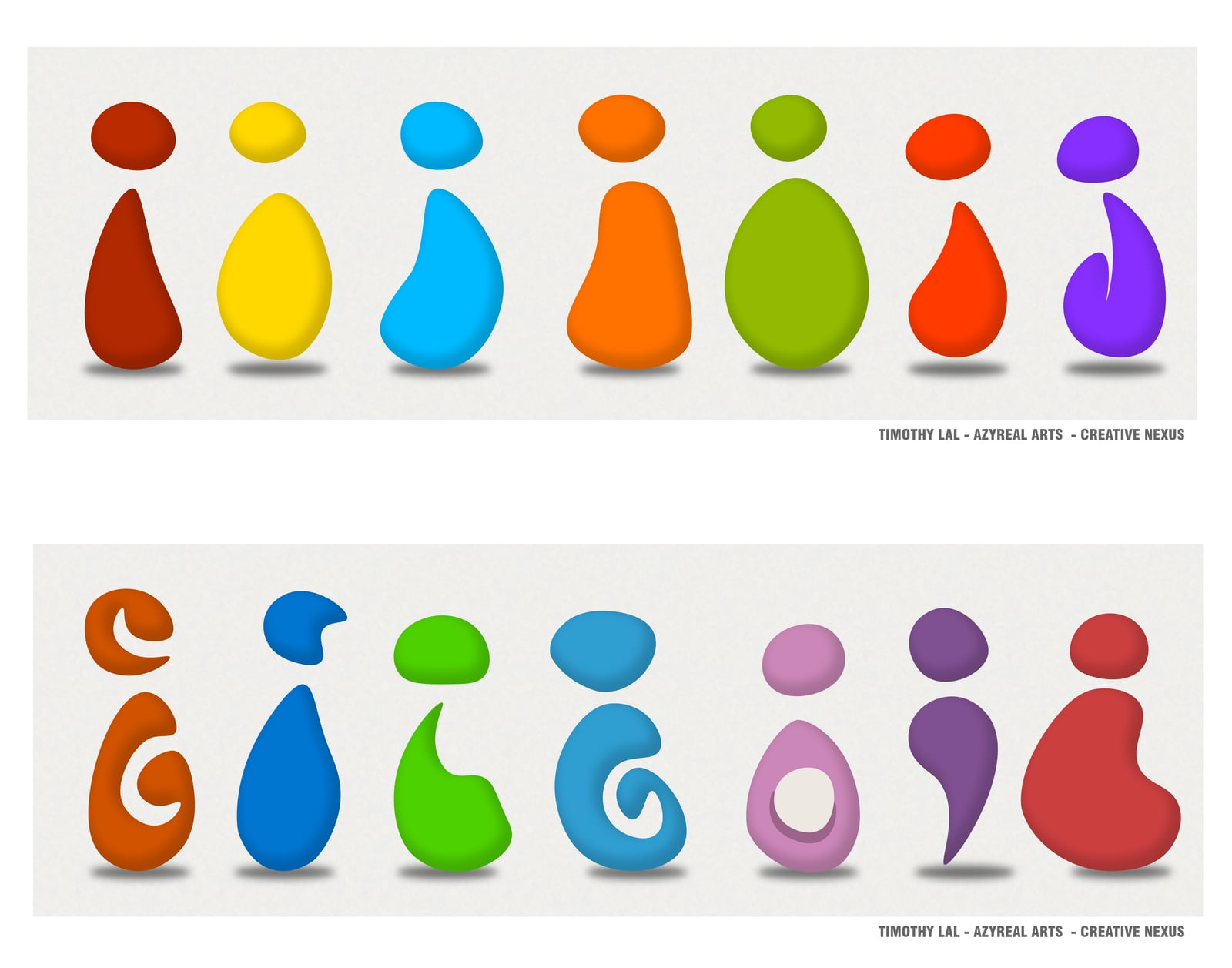
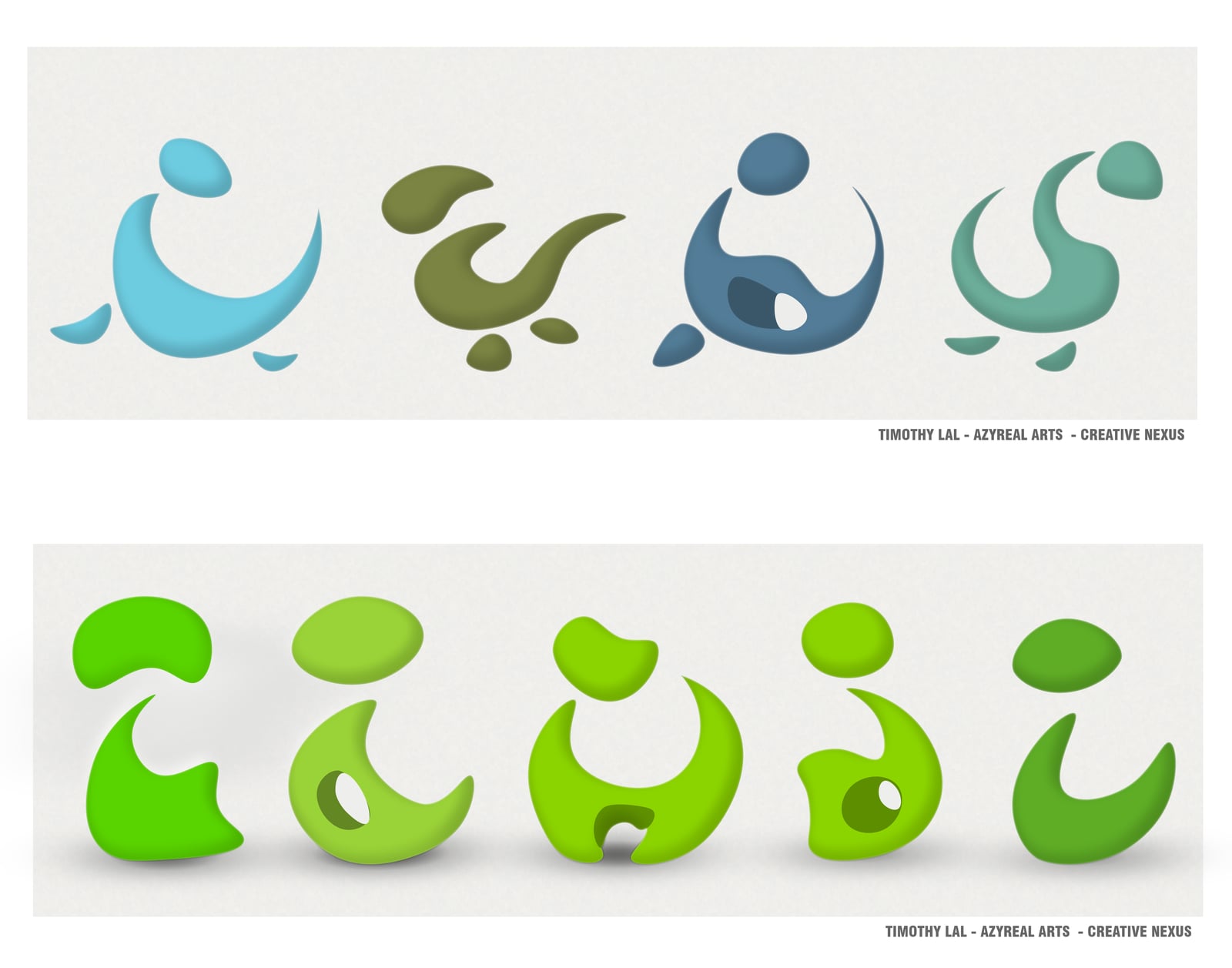
Over the last year I pushed hard on logo design. What started as a few ideas turned into more than fifty versions the first year and nearly forty the next across several identities I was developing. Testing them on business cards, headers, and other materials showed which designs actually held up. After all the complex options, the simplest logo proved the strongest because it stayed clear in every format.




.png)
.png)
.png)
.png)
.png)
.png)

Graphics
Poster
This poster was built entirely with nondestructive editing. Every adjustment, mask, and layer was kept intact so the design could evolve without destroying the original work underneath. Designing something that holds together at large scale, with type, image, and color all pulling in the same direction, is a different challenge than illustration. This one taught me a lot about restraint.
Business Cards
Business cards are surprisingly fun to design, and they're one of the best ways to preview the direction of your branding and layouts.


Wedding
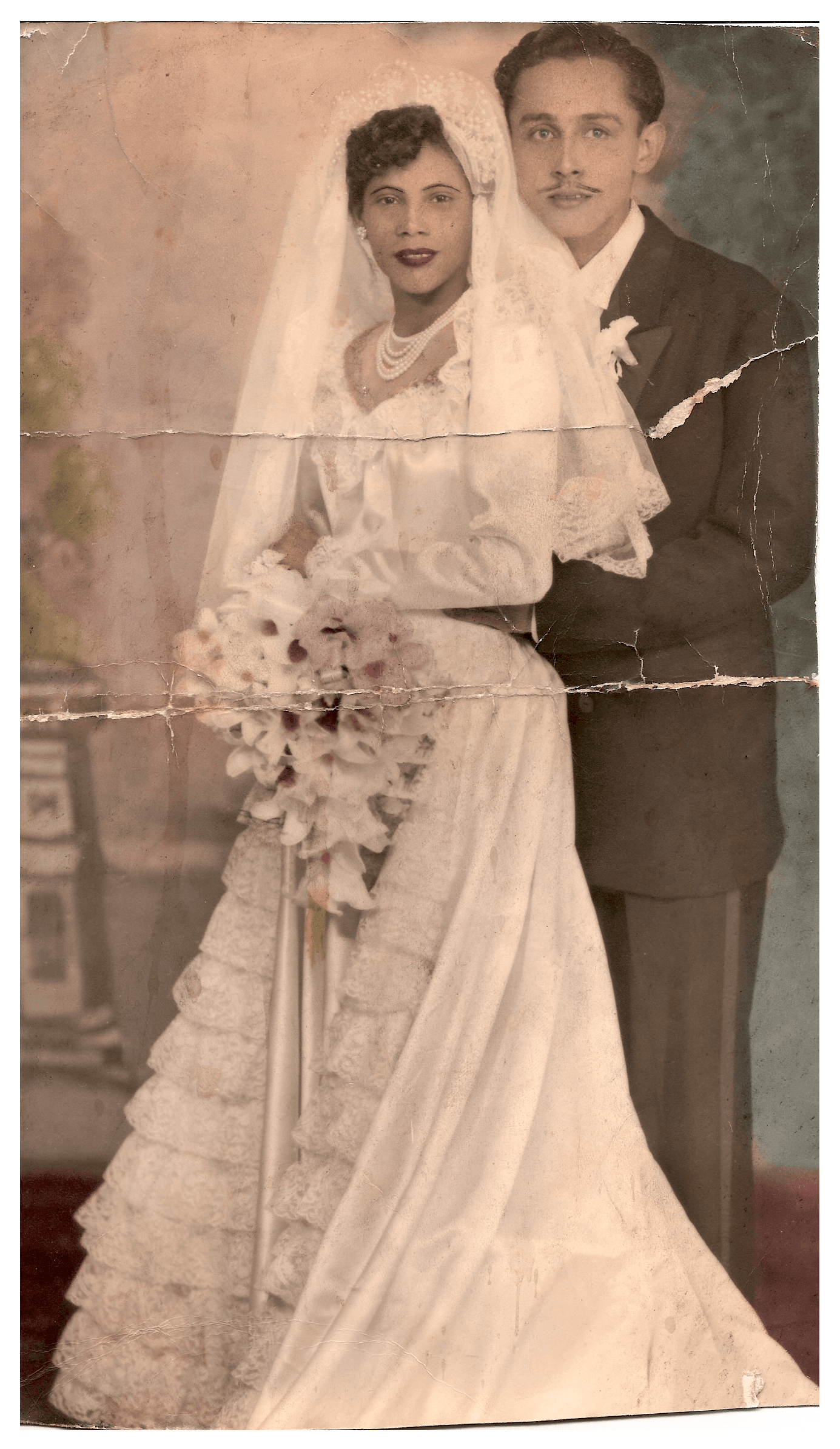
Restoring an old, damaged wedding photo was a deeply meaningful project. It taught me restoration techniques that I plan to use to revive many cherished family memories.
Hexagon Chainmail
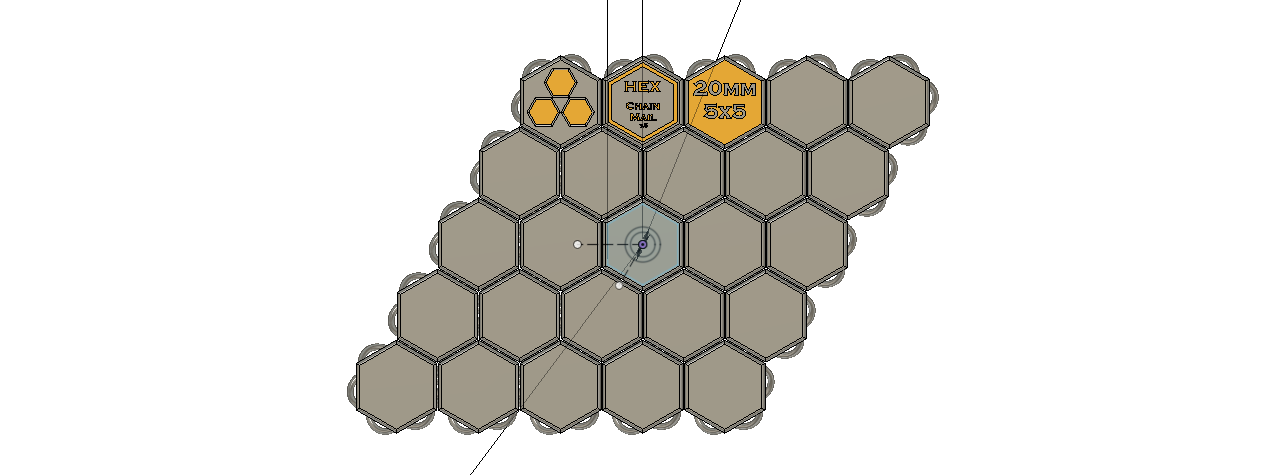
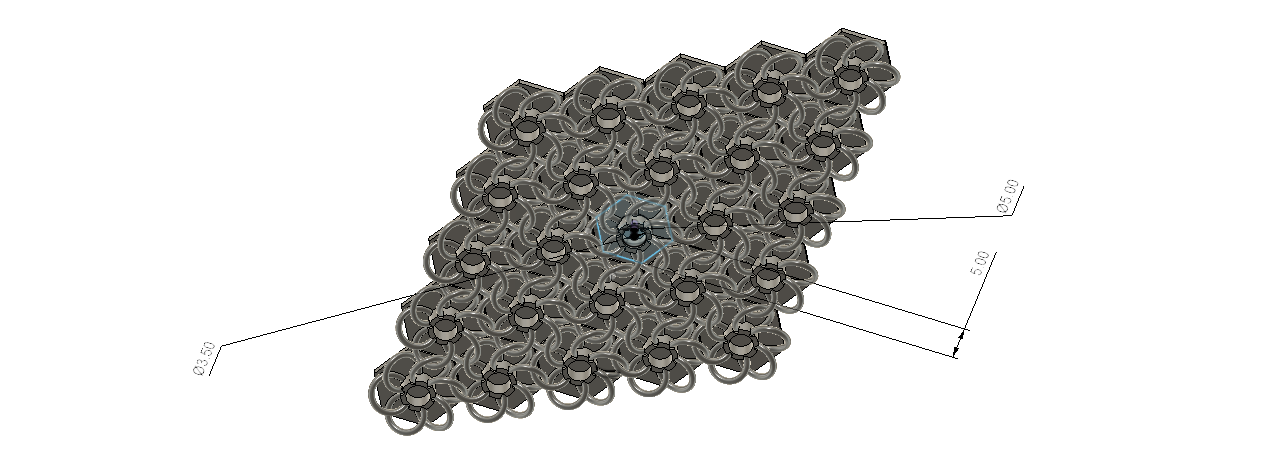
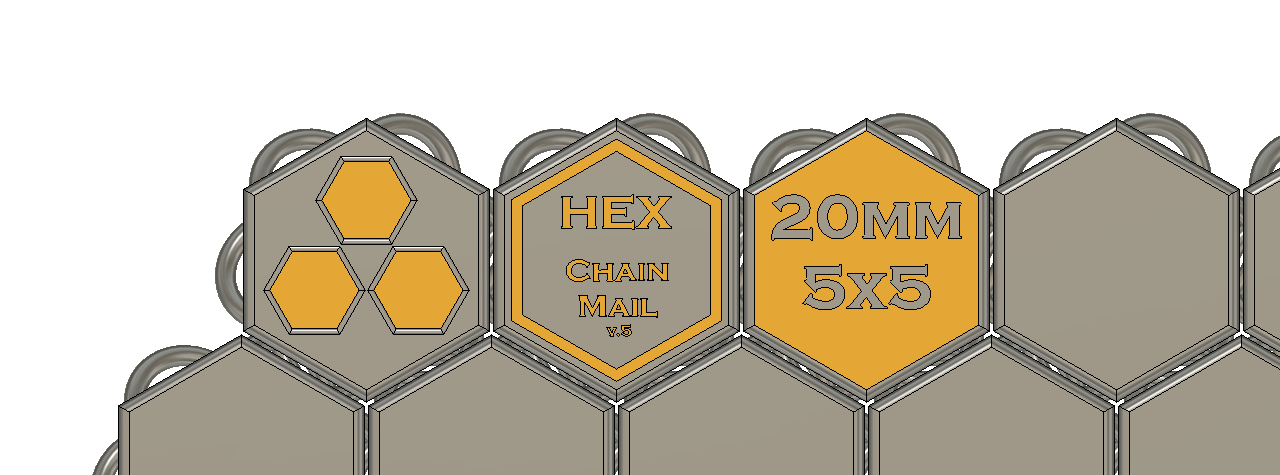
In my 3D printing gallery, I showcase the development of a hexagon chainmail design inspired by work at NASA. I experimented with both a bulletproof armor concept and the idea of a flexible environmental suit that enhances protection.
This course provided a solid introduction to 3D rendering in Fusion 360 and Inventor, fueling my passion for functional prototypes.


3D Printed Logos
Here are some 3D printed logos I designed!


AutoCAD 3D Logo
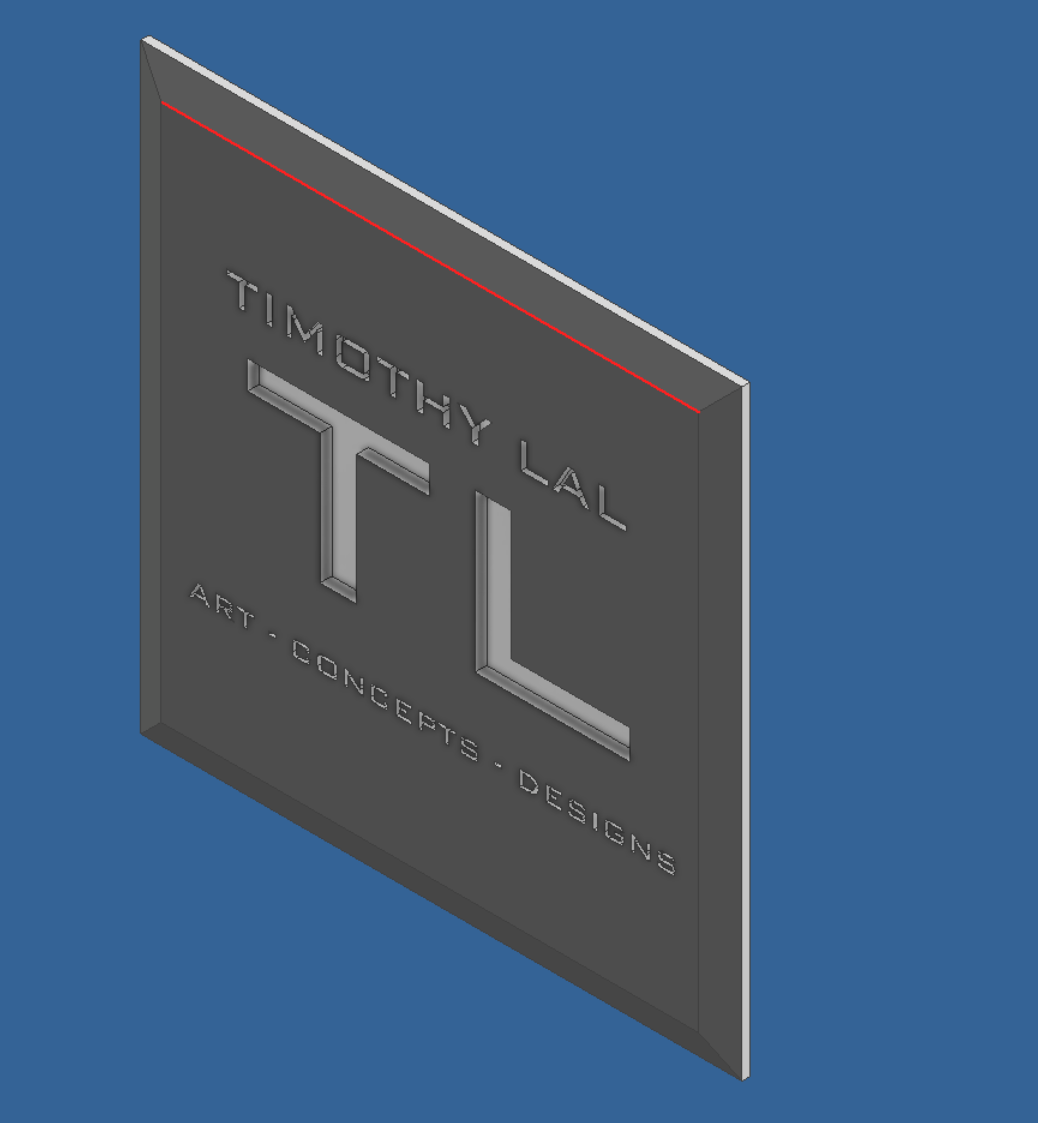
Before the TL logo made it into Inventor or Photoshop, it started here as line art in AutoCAD. The 2D geometry drafted in AutoCAD became the foundation for the extruded 3D model built in Inventor, and the same linework was used as reference for the Photoshop version. Along the way we experimented with different render types available inside AutoCAD, including the standard blue shaded render, a grey material render, and the online cloud-based render, each producing a noticeably different look from the same geometry. This workflow, from CAD line drawing to 3D model to rendered design, reflects the same pipeline used in professional product and brand development.

Blue render · top view
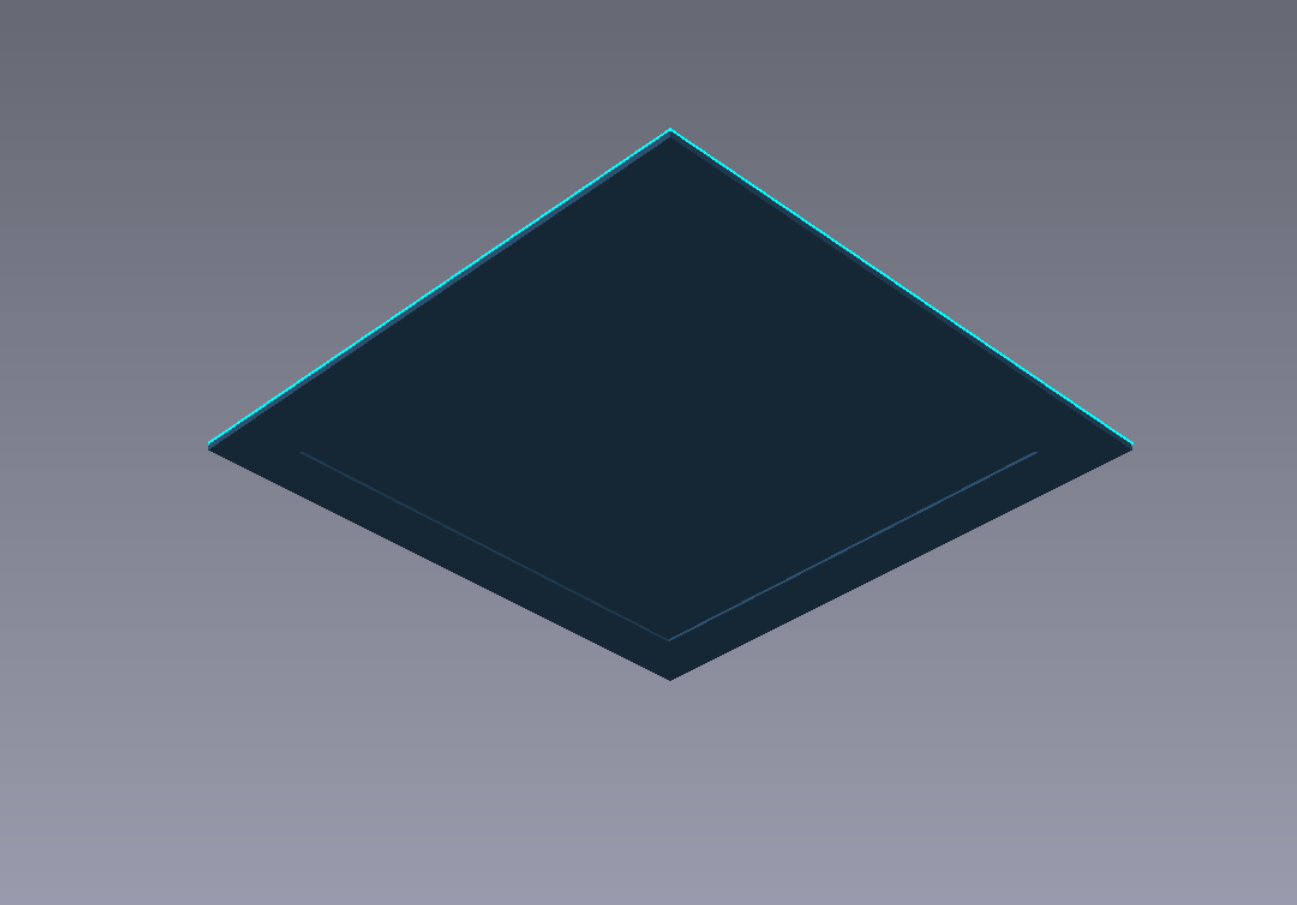
Blue render · bottom view

Grey render · top view

Online render
Biography
I grew up drawing futuristic cities and alien worlds before I knew what a concept artist was. That curiosity never stopped.
My work spans traditional media, digital illustration, concept art, character design, environments, storyboarding, and graphic design. Over the years I have worked with writers, exhibited fine art, and supported creative projects across film, events, and retail branding.
I taught drawing fundamentals for over a decade and am now expanding into engineering design and digital fabrication through the DDGT program at Napa Valley College.



Loki says Hi!!


